The Listings Strategy That Earns Your Restaurants a Seat in AI Recommendations
Four phases, taken from our playbook for restaurant and QSR brands to turn clean listings data into AI visibility, stronger local rankings, and more foot traffic.
.png)

Key takeaways:
- NAP inconsistencies across multiple restaurant locations cost you AI recommendations
- Listings accuracy gets you found, but driving foot traffic requires gap-driven content (menus, local pages, FAQs)
- The brands that treat this as a continuous optimization loop will compound their advantage

Where there’s NAP inconsistency or incompleteness, there's a gap in your AI visibility. And if you don't resolve those issues, one of your local restaurant competitors will fill that gap.
This is almost a certainty based on how competitive the restaurant and QSR segment is.
Let's be clear: Failing to maintain your restaurant location data and listings has always been bad. But the stakes are higher now — because more than 3 in 4 consumers say they're satisfied with an AI-generated overview and don't click any further.
That means they won't click around anymore on the traditional Google results pages to find answers to when you're open, what your menu is, what your prices are, if they've already decided on where they're eating with ChatGPT, Gemini, Perplexity — or whichever AI tool they're using for their local searches.
But maintaining this data at scale drains restaurant teams and their marketing ROI. Keeping restaurant listings consistent, complete, and current across hundreds of locations and dozens of directories — from Google and Apple Maps to food delivery providers — is nearly impossible to manage manually.
The investment is worth it. Restaurant data consistency across multiple locations is proven to deliver a positive ROI — one that serves you now and puts distance between you and competitors who haven't started.
Start with Phase 1.
Phase 1: Audit Your Listings; Establish a Single Source of Truth
Before you can optimize, you need to know where you stand.
Our QSR Playbook explains how restaurant franchises and chains must start by centralizing their data. This means synchronizing the following details across all platforms from a single source of truth:
- Name
- Address
- Hours
- Menus
- Attributes
- Photos
Tidy it up with a proven location data management tool, because you'd better believe that NAP inconsistencies or duplicate listings can affect your AI inclusion — or AI systems may hallucinate and provide potential customers with the wrong information about your restaurant location.
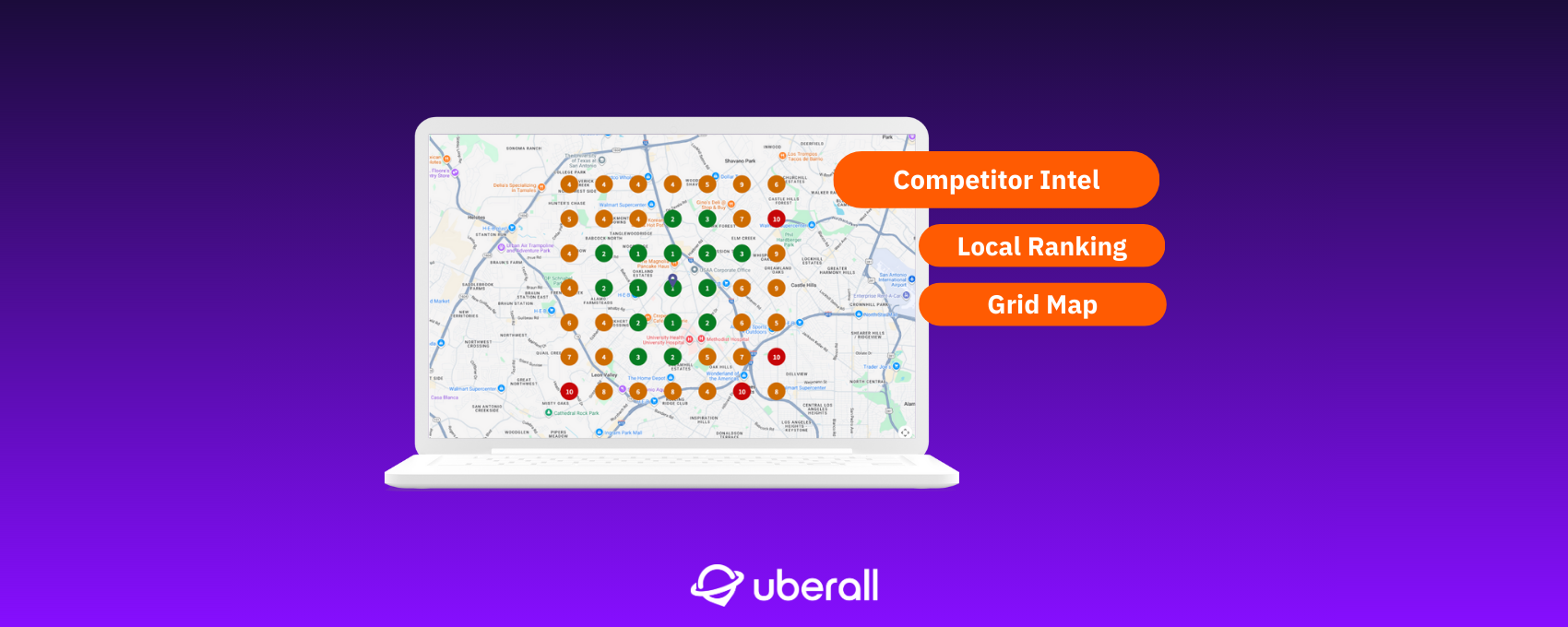
This phase is also about understanding where you're at in comparison with your brand-level and local-level competitors — where are they being recommended; where are you being recommended; for which search queries would you like to be recommended?
It's like your old-school SWOT analysis (strengths, weaknesses, opportunities, threats), the opportunities representing where you'd like to be recommended to customers to drive more foot traffic, and the threats representing where your local competitors appear in an AI recommendation without you and attract potential customers from you.
Once you have your single source of truth and your competitive gap analysis, you have the foundation for your local search strategy — and the first pillar of Location Performance Optimization: visibility.

Phase 2: Create the Content Customers Want
Clean listings data is a solid place to start. Now you need to reinforce that data on your website — or on your other owned channels.
Build optimized, mobile-friendly location pages that reinforce and verify your GBP information exactly. Structure each local page with location-specific content, FAQs, and schema markup that helps AI systems understand what makes each location relevant to nearby queries.
Your menu deserves the same treatment – it deserves to be more than just a static PDF of vague menu items. Now is the time to optimize it with as much useful (and tasty) context as possible: detailed dish descriptions, dietary tags, and local query-driven language that matches what local consumers are searching for.
How does this look in practice? Let's say you want to drive more foot traffic to your newly opened smash burger location in downtown Boston. You know, based on popular customer queries for burger chains in your area, "best vegan fast food chains near me," that your vegan smash bean burger could fill that content gap (and it's already a hit among your existing customers), but you don't really know how to use that to your local advantage. In fact, you're currently not being recommended at all in ChatGPT or AI Overviews — or any AI tool for that matter.
Here are some ideas:
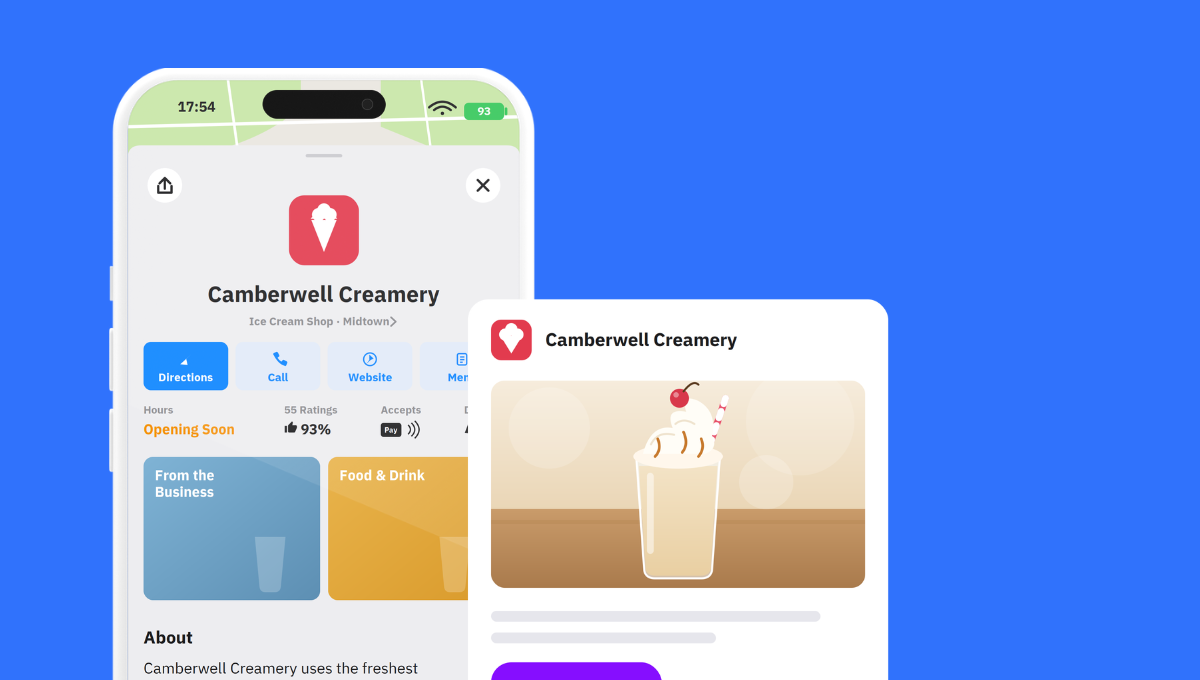
- Mention your best-selling vegan smash bean burger in your menu on GBP. Tag it with a vegan dietary tag and describe it with sufficient detail. It needs to sound like it's a big deal to your customers and to search systems looking for that extra context.
- Reinforce your epic burger descriptions on your local pages, linked from your listings – maybe there's a FAQ about vegan or dairy-free dietary requirements.
- Get photos and videos on your listings, web pages, and social posts of this bean burger. We'll cover this more later on, but think of this vegan local selling point almost as a campaign you need to promote across your owned channels.
This is what we call "gap-driven content." When you've filled those gaps, check your GEO metrics and local analytics to understand whether your content is fulfilling local demand — that is, actually driving these vegan-fast-food-craving customers to your location.
That feedback loop is where three LPO pillars meet: visibility gets you found, engagement keeps your content fresh, and conversion tells you whether it's working.
Phase 3: Expand Your Presence Beyond Google
A solid Google ranking is an excellent foundation — but it's not enough on its own.
OK, it never was, but building citations on third-party platforms is even more important now. In fact, 83% of restaurants don't appear in AI recommendations, even when their local ranking on Google is strong. That's because AI models like ChatGPT and Gemini pull from between 8 and 10 sources per restaurant-related query, cross-referencing your data across directories before deciding whether to recommend you.
We talk more about these sources in our QSR Playbook.
In short: You need to be listed accurately across the directories that matter most for your category. Our data suggests that between 20 and 40 directories is the sweet spot for maximum visibility and engagement. That includes Apple Maps, Yelp, TripAdvisor, food delivery platforms, and the long tail of local directories that enterprise QSR brands often overlook.
And it's not just being listed on these platforms; you'll most likely also drive reviews across these directories — i.e. more off-page authority. When your business hours, location, menu, and contact details are consistently accurate across directories, customers arrive with the right expectations. Satisfied customers leave better reviews. Those reviews then become the trust signal that search systems use to validate how your brand describes itself.
Our QSR Playbook covers these off-page authority signals in more detail. What matters here is that they tie together three pillars at once — your visibility across platforms, your reputation through reviews, and conversion when accurate data removes the friction between discovery and a visit.
Phase 4: Orchestrate, Iterate, Celebrate Your Advantage
Almost three in four marketers still struggle to connect location marketing efforts to sales revenue.
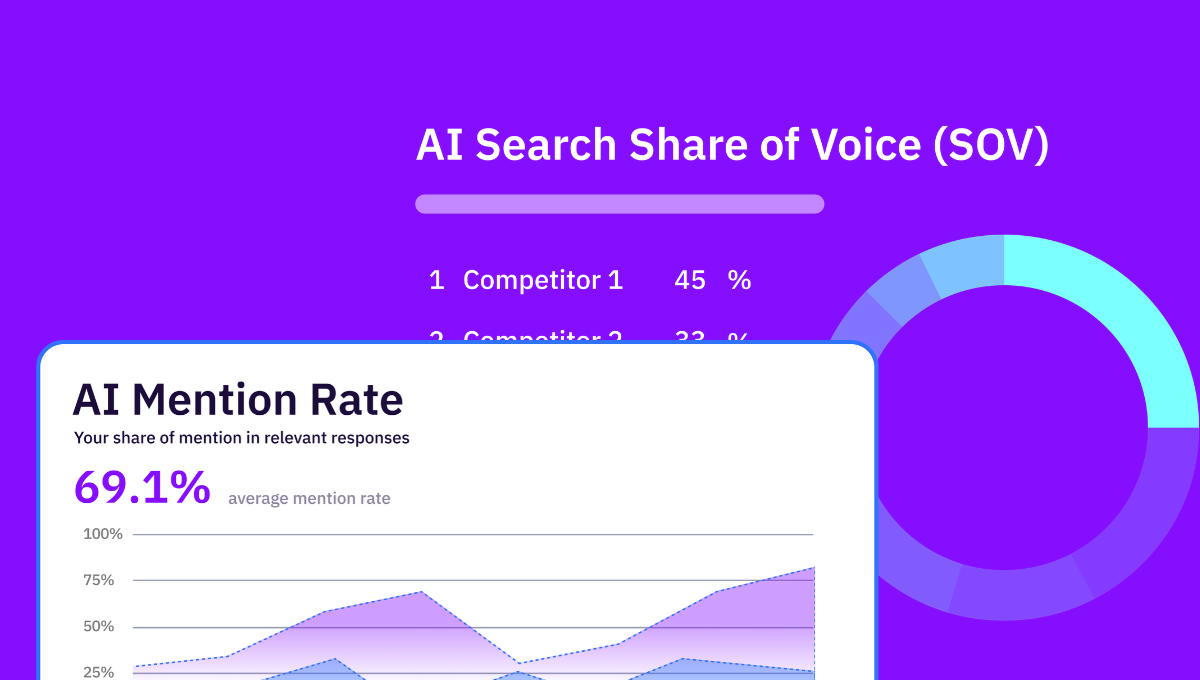
Phases 1 through 3 are designed to close that gap by helping you reverse-engineer the outcomes you want — greater AI visibility, higher Share of Voice, stronger citation rates. You can and should measure the growth of these alongside your real location performance indicators, such as direction clicks to your location, reservations, phone calls.
These are strong health signals that will influence your local marketing ROI.
But listen up: Phase 4 is where that measurement becomes operational. Monitor your GEO metrics against those of your competitors. When these metrics dip over time on customer queries that could drive high-intent foot traffic at one of your locations, revisit that gap-driven content.
The brands that operate like this as a continuous loop — not a quarterly review — are the ones that will compound their advantage over time, as has always been the case in SEO.
But, of course, scale becomes the defining challenge. Reservation availability, menus, seasonal specials, customer reviews, photos, and business hours all differ by location — and managing that manually is where things fall apart without the right tools.
The question for enterprise QSR brands isn't whether to invest in consistent location data across Apple Maps, Google, and every other directory that feeds AI. It's how quickly they can get there before competitors to celebrate a significant local advantage and build on it.
How to Manage Your Restaurant Listings As Your AI Search Strategy
Failing to maintain your restaurant location data has always been risky.
But those 3 in 4 consumers who are oblivious to your best-selling vegan smash bean burger — or whatever it may be — have little hope of finding you. Which is a big loss for them but a far greater loss for your business.
These four phases of Location Performance Optimization for restaurant listings help you avoid this loss, so customers can find you however they search. From data consistency and content performance to off-page authority and operational scale. And building this loop is more than possible in 90 days — if you don't believe us, check our playbook.



1,800 brands trust us to stay visible
— not just show up once or twice in local search.





Frequently Asked Questions
You manage restaurant listings across multiple locations by treating it as a four-phase loop: Audit your data into a single source of truth, create gap-driven content (menu, local pages, FAQs), expand accurately across the directories that feed AI, then monitor and iterate. Doing this by hand across dozens of locations and directories is nearly impossible, so most QSR brands run it through a listings management platform that syncs every location at once.
Restaurants often don’t show up in AI recommendations because of NAP inconsistencies or incomplete data across locations — even when their Google ranking is strong. In fact, 83% of restaurants are missing from AI recommendations. AI tools like ChatGPT and Gemini pull from 8–10 sources per restaurant query and cross-reference your data across directories before recommending you, so any gap or conflict can leave you out of the answer entirely.
You start by centralizing your restaurant data — name, address, hours, menus, attributes, and photos — into one single source of truth synced across every platform, because NAP inconsistencies and duplicate listings can get you excluded from AI results or make AI hallucinate wrong details. Then run a competitive gap analysis: Where are competitors recommended, where aren’t you, and for which queries do you want to be? A listings management tool keeps that data clean at scale.
Beyond accurate listings, restaurants need gap-driven content that answers real local queries. Build mobile-friendly location pages that mirror your Google Business Profile exactly, with location-specific FAQs and schema markup. And treat your menu as more than a static PDF — add detailed dish descriptions, dietary tags, and the language customers actually search for, so AI systems understand what makes each location relevant to nearby diners.
A restaurant should be listed accurately on the directories that matter most for its category. Our data points to 20 to 40 as the sweet spot for visibility and engagement. That includes Apple Maps, Yelp, TripAdvisor, food delivery platforms, and the long tail of local directories QSR brands often overlook. It’s not just about being listed: Consistent data across them drives reviews and the off-page authority that search and AI systems use to validate you.
Enterprise QSR brands keep location data consistent across Apple Maps, Google, and every other AI-feeding directory with a listings management platform rather than manual updates. A tool like Uberall centralizes your single source of truth and syncs menus, hours, and attributes across all locations and directories at once, flagging inconsistencies — because managing reservation availability, seasonal specials, reviews, and photos manually location by location is exactly where teams struggle most.
To promote a new restaurant location, use gap-driven content built around what local customers actually search for. Say a new smash-burger spot wants foot traffic: Feature its best-selling vegan bean burger on your Google menu with a dietary tag and a rich description, reinforce it on a local page with a dietary-requirements FAQ, and push photos and videos across your listings, pages, and social. Then track whether that content is actually driving visits.
Measure your restaurant listings by pairing GEO metrics — AI visibility, Share of Voice, citation rates — with real performance indicators like direction clicks, reservations, and phone calls per location. Watch these against your competitors, and when metrics dip on queries that could drive high-intent visits, revisit your gap-driven content. Treating it as a continuous loop, tracked in a listings and analytics platform, is what compounds the advantage.