Who Are You Actually Competing with In Search (It’s Not Always Who You Think)?
The brands that show up when AI systems answer the prompts your customers are asking might be a different set of players from those on your shortlist. Here’s how your competitive GEO audit ensures you remain a top choice for consumers searching online.


If you manage marketing for a multi-location brand, you already have a mental shortlist of your competitors — either on a brand or location level.
They appear in your audits; they appear in your campaign objectives; they appear in your location marketing strategy; they might even appear in customer conversations.
It’s always been clear, albeit with occasional algorithmic fluctuations, who your competitors are in the Google SERP.
But in AI search, the competitive playing field is broader. Brands competing for the same AI mentions and citations as you aren’t necessarily the ones competing for the same physical foot traffic. The brands that show up when AI systems answer the prompts your customers are asking might be a different set of players from those on your shortlist.
That disconnect is one of the most common blockers we see when enterprise marketers start working with AI reporting tools like GEO Studio. Their hesitation is often: "If I input the wrong competitors, I’ll get useless data — and I'll waste my team’s time building a flawed strategy."
So how do you identify the rivals that actually matter for your AI visibility at both brand and location level?
Why Wrong Or Confusing Data is Holding You Back
Before you can improve your AI visibility, you need a clear picture of where you stand — and who you’re standing next to on a brand and location level.
Most multi-location brands start with a reasonable assumption: Their brand-level competitors in AI search are typically the same ones they compete with physically.
But AI systems don’t think in terms of revenue or market share the way your sales team does. When a consumer asks ChatGPT or Gemini a question like: “Where’s the best emergency dentists in Georgetown, DC?”, the AI blends between 10 and 16 sources before compiling its personalized recommendations.
The brands that appear in those recommendations earned their spot through content signals, not business performance.
That means your real competitive set in your GEO reports might loop in brands you’ve never considered your “rivals” — and might disqualify some you’ve been spying on closely. And if you’ve not had the time or resources up until now to scale your competitive research per location, this is a pretty nifty way to do that.
Without clarity on who’s actually showing up alongside you (or instead of you), your team can’t take the actions that will drive greater AI-sourced footfall to your locations:
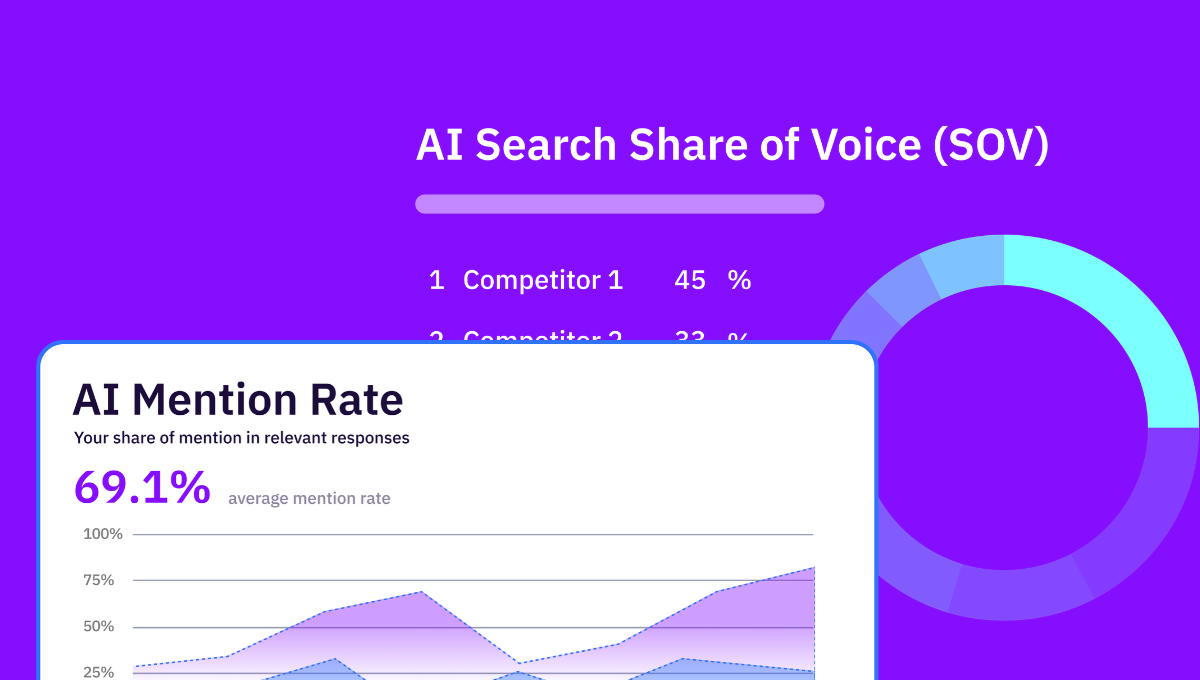
- Share of voice: How visible is your brand compared to the competitors AI is actually surfacing?
- Mention patterns: For which prompts are you being mentioned — and for which are you not?
- Channel behavior: Which AI models are mentioning you, and which are favoring your rivals?
- Content gaps: What is the content that’s getting competitors mentioned where you're missing out?
When these questions go unanswered — or get answered with the wrong competitor set — the data you’re working with tells your team a misleading story that can skew your entire GEO strategy.
How Do You Identify Your Real Brand Rivals?
The process of unveiling your big brand competitors starts with how you set up your AI search tool — in this case, GEO Studio.
Don’t start by guessing who your competitors are. Start by looking at who AI systems are actually treating as your competitors — and work backward from there. When you have run the first “crawl” to get the competitor intel you need, you can also add your competitors manually.
In GEO Studio, navigate to the Prompts section, then click into Responses. Here you can see whether your brand is being mentioned for a given prompt (such as “Which emergency dentists take health insurance”) — or not.
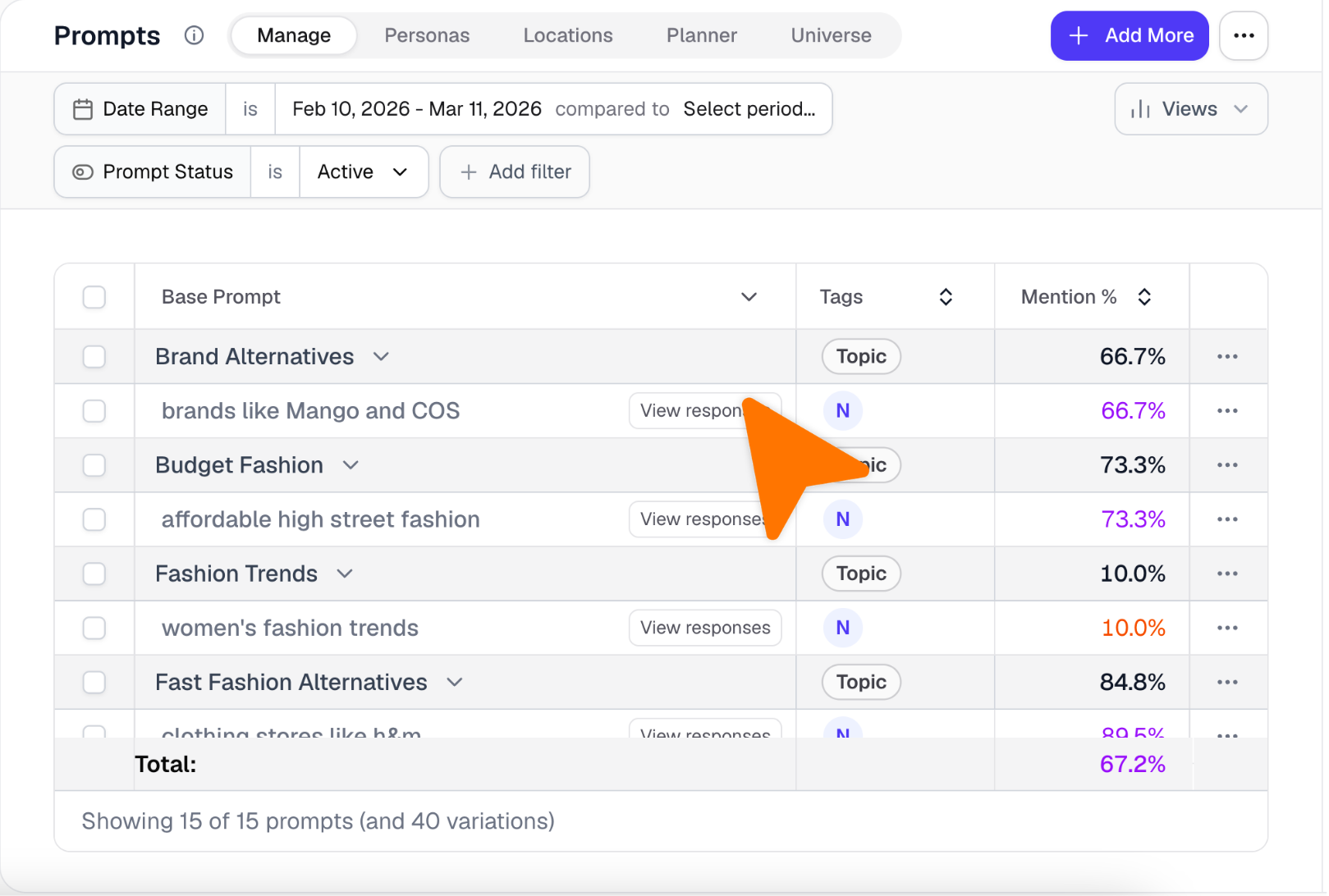
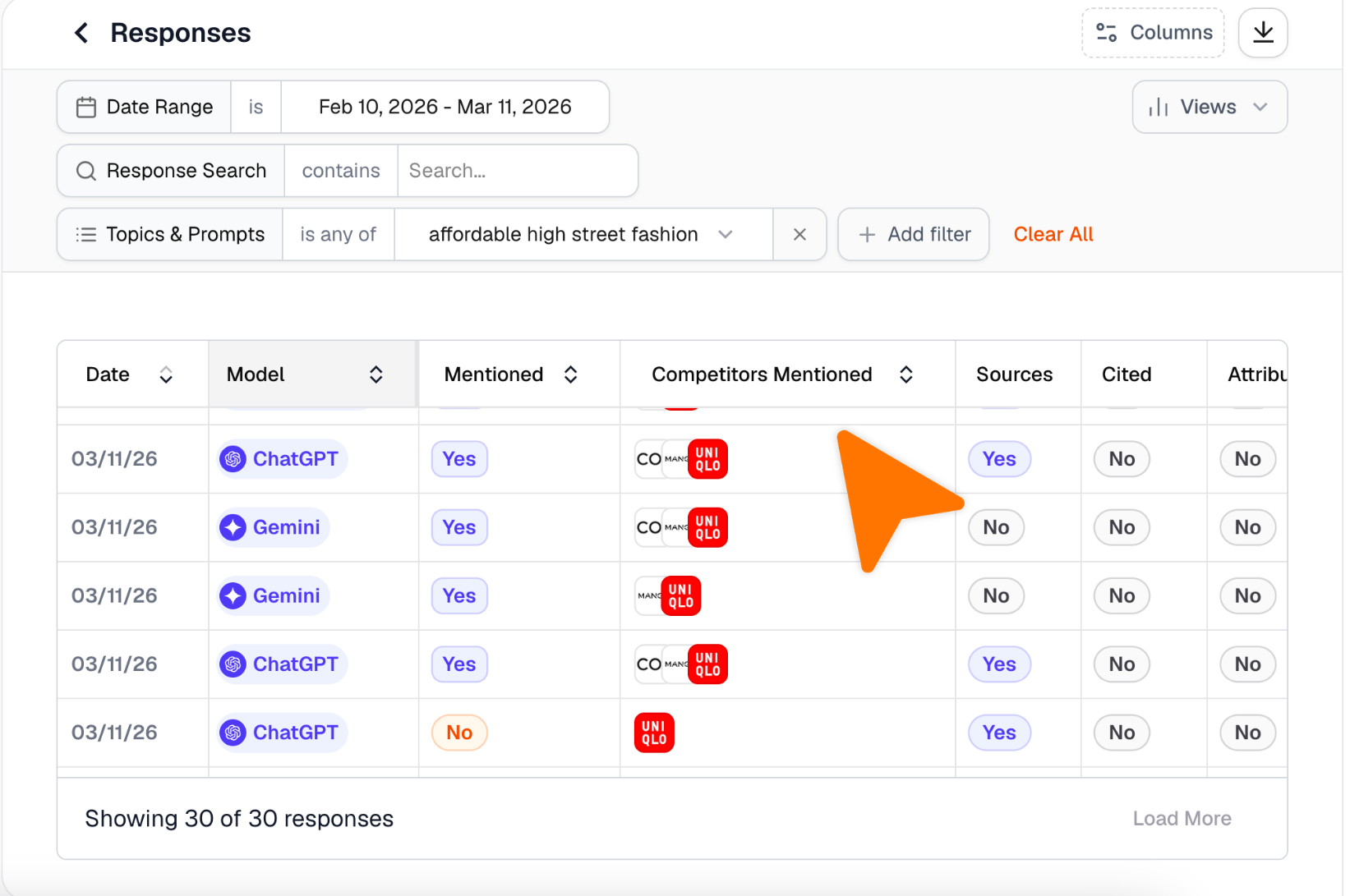
More importantly, though: Look at who else is showing up. For every prompt you track, GEO Studio shows you which brands are being mentioned alongside yours, and which are appearing instead of yours. These are your true search rivals — the brands AI systems consider relevant to the same customer queries.
You can also see which AI model is mentioning which brands, which helps you understand each model’s role in shaping how you compete in AI responses. Not every model treats your category the same way — one might favor your brand while another consistently recommends a competitor you hadn’t considered.
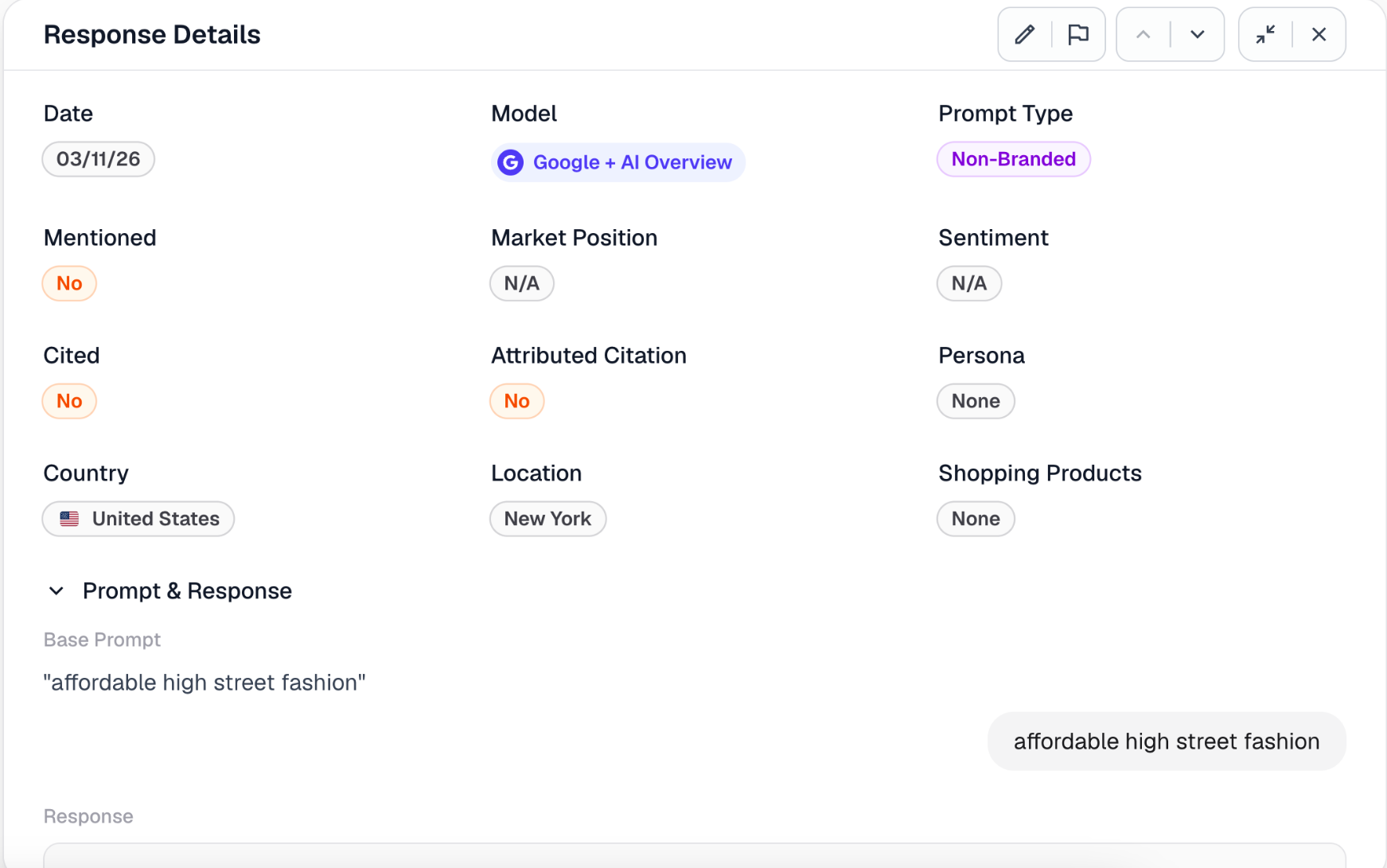
TIP: Get deeper insights when you click on one of the response rows. This will take you to Response Details, which is where you can understand brand sentiment, whether your page was actually linked to when it was cited, and in which country this response was generated.
What About Your Competitors at Specific Locations?
Everything above gives you your brand-level performance.
But multi-location brands know that competitive dynamics shift from location to location — and GEO Studio accounts for that.
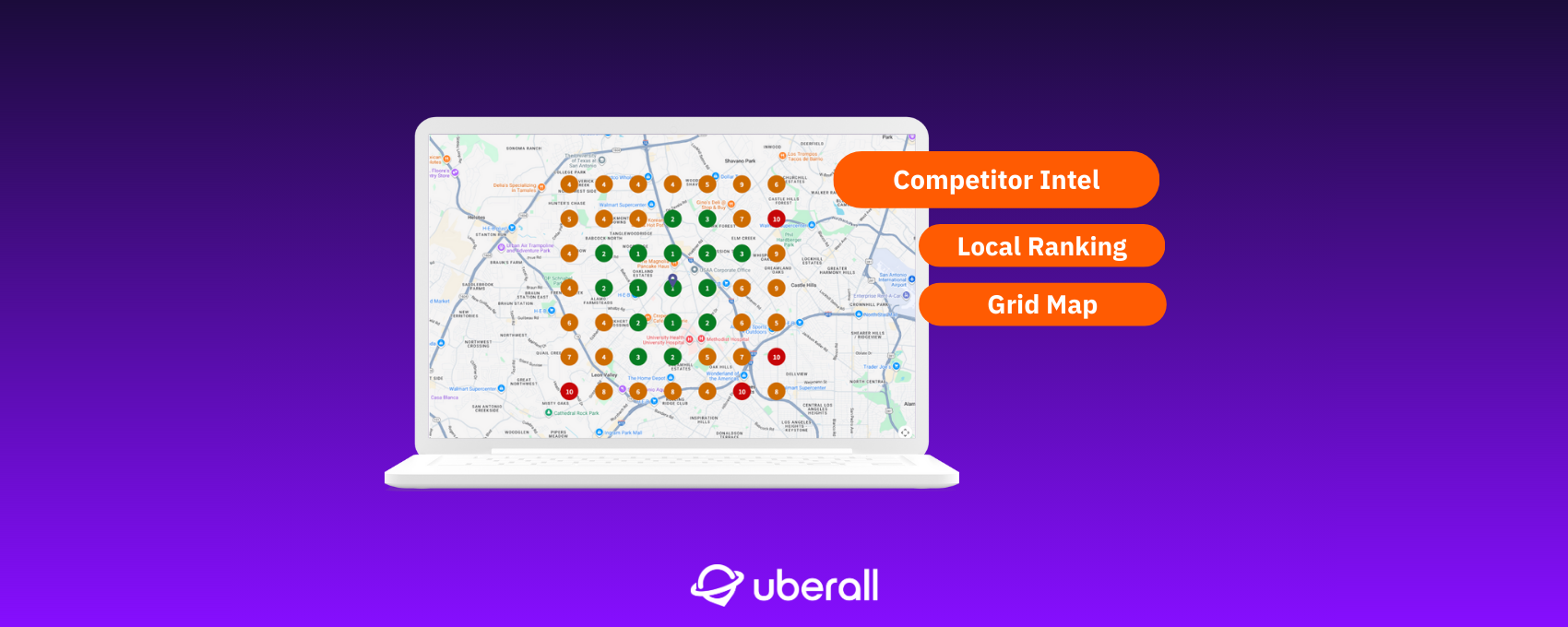
If you have locations set up in GEO Studio, you can see the same prompt-level and response-level data, but now filtered to specific locations. This is where your location managers have more insights into where they can move the needle. They can cover key prompts in Google Business Profiles, on their local pages, in their social content.
For example, if they can see the prompt “Where can I find an emergency dentist in the Georgetown DC area who accepts Medicare?”, they know they must weave this prompt into their content to signal their relevance to AI systems.
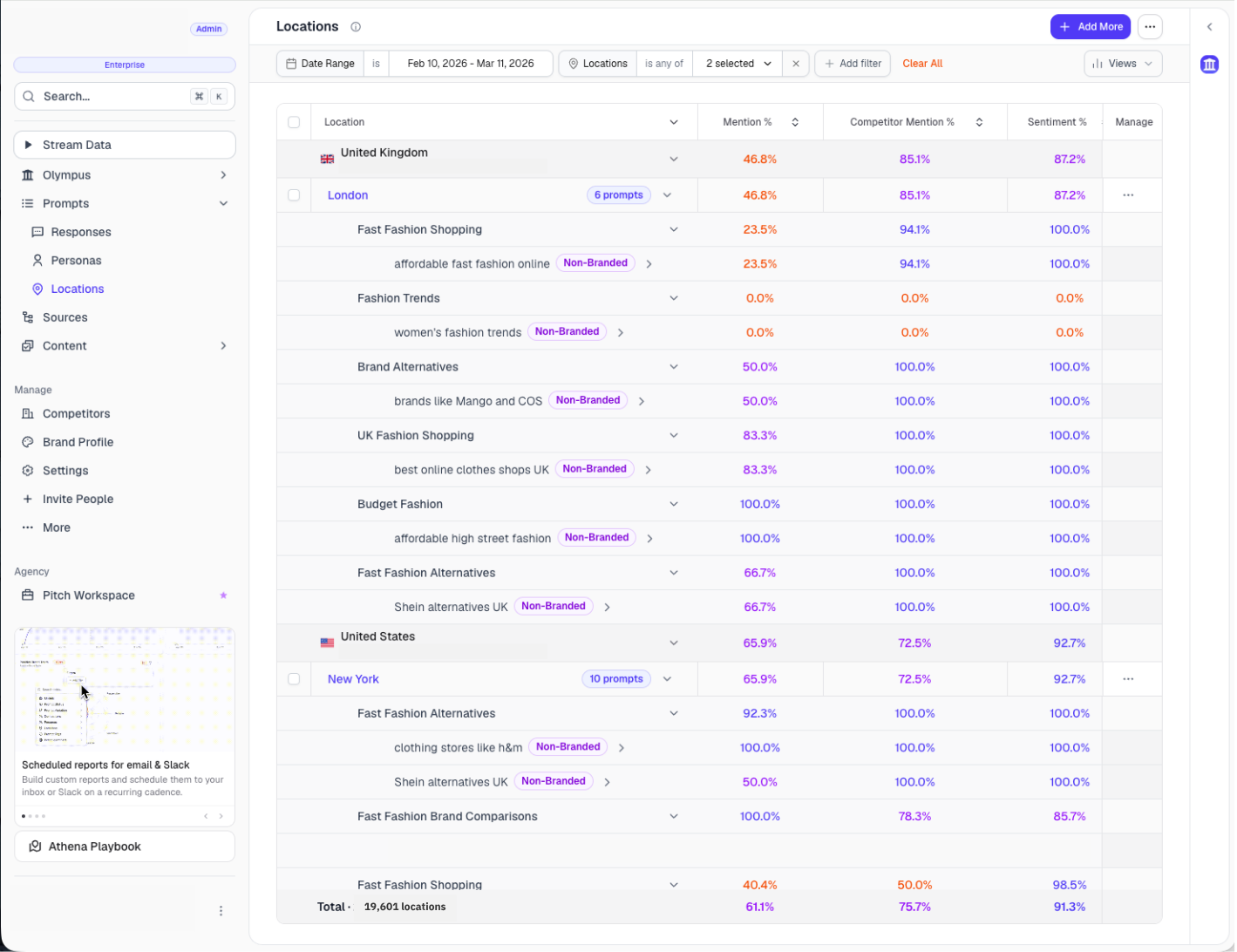
Just because you perform strongly on a brand level does not guarantee SoV domination on a local level. Your local competitors — the ones with strong local content, reviews, and directory presence — might be outperforming you for location-specific prompts even if they don’t register as rivals at the brand level.
Understanding how you perform on both levels helps you understand your AI discoverability but also your positioning for high-intent prompts. And while brand teams can focus their efforts on building stronger brand signals, local managers can work on local signals, such as listings and reviews that boost AI visibility at the location level where it matters most.
Let AI Show You Who You’re Really Up Against
Why make decisions based on assumptions when you have granular data that’s five clicks away at most?
Your competitors in AI search are defined by AI systems — not by your industry assumptions or sales team’s insights. Especially if your industry is highly competitive and defined by new players coming in every few months.
The brands showing up alongside yours in AI-generated answers are your real rivals, and they might not be on your radar until you complete your first brand-level and location-level audits. This takes a matter of minutes with a granular competitive GEO audit.


1,800 brands trust us to stay visible
— not just show up once or twice in local search.