Local SEO for Restaurants: A 2026 Strategy Guide
.png)


Diners use "near me" searches, Google Maps, and AI-powered recommendations to choose where to eat. Your restaurant needs accurate information and useful content wherever those decisions happen.
For multi-location restaurant brands, maintaining visibility across dozens or hundreds of locations requires consistent management. Incorrect hours, addresses, or menu details frustrate customers and cost visits. Brands also need clear location data that AI search tools can understand.
This guide covers a practical 2026 strategy, from managing Google Business Profile listings at scale to preparing your restaurant for AI search.
Master Your Google Business Profile (GBP) at Scale
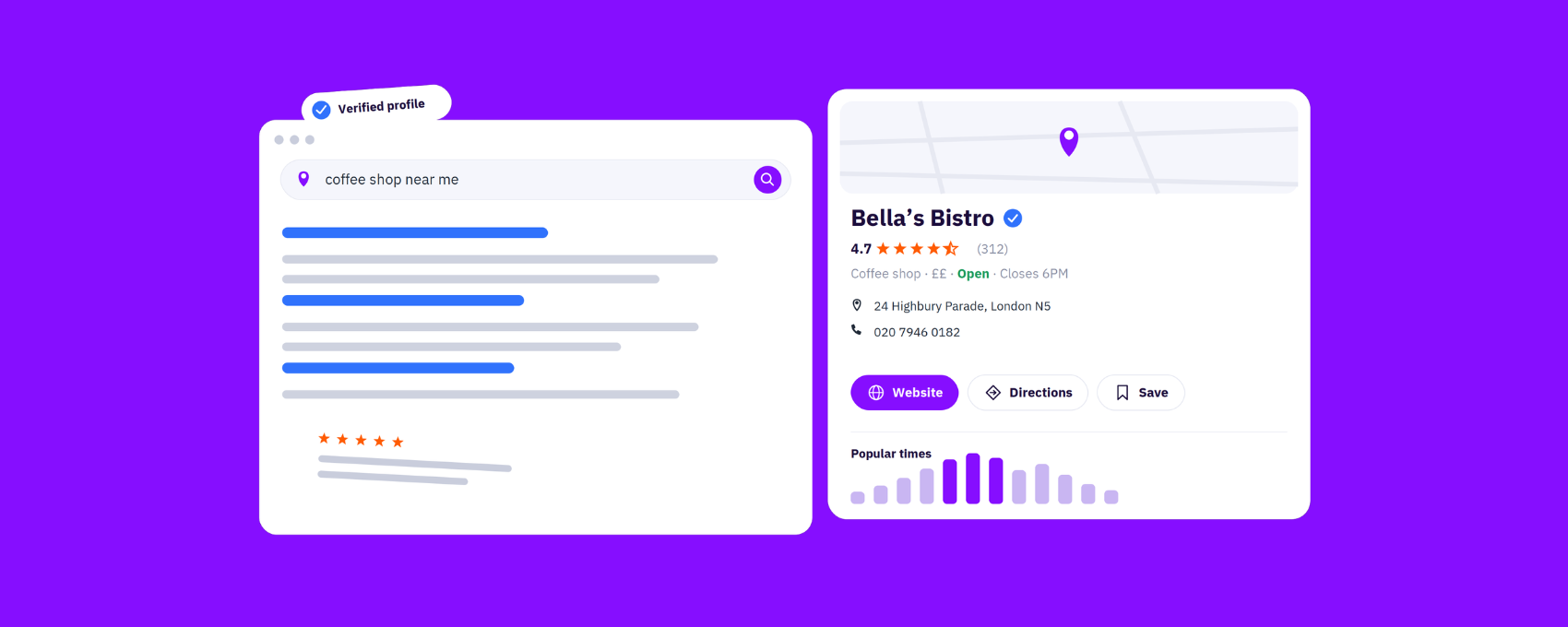
Your Google Business Profile is often the first place diners see your restaurant. Multi-location brands need accurate information, consistent branding, and location-level content that helps customers choose where to go.
Nail the Fundamentals for Every Location
Accurate, consistent Name, Address, and Phone Number (NAP) data across directories gives search engines and diners reliable information. Choose the most specific primary category, such as "Pizza Restaurant," then add relevant secondary categories, such as "Italian Restaurant" or "Restaurant Delivery."
Keep hours current, especially for holidays and special events. Customers who arrive at a closed restaurant may choose another option. Go beyond the basics and fully optimize your Google Business Profile with current menus, photos, attributes, and booking or ordering links.
Use Advanced Features to Entice Diners and Drive Orders
An effective profile gives diners the details they need before they visit. Use Google Business Profile features to show what each location serves, when it is open, and why it fits the customer's plans.
- Google Posts: Share daily specials, limited-time offers (LTOs), and community events. These updates give customers a current reason to visit.
- High-Quality Photos: Upload clear food photography, interior photos, and staff images. Photos help diners understand the atmosphere and menu before they arrive.
- Menu Feature: Upload and update your menu directly on GBP. Google's menu editor guidance explains how menu items and details appear on a Business Profile, helping Google match restaurants with dish-specific searches such as "best carbonara near me."
- Q&A Section: Answer common questions about parking, dietary options, reservations, and takeout. Clear answers help customers make a decision.
Build an Unbeatable Reputation, One Review at a Time
Reviews influence local search visibility and dining decisions. They also show prospective customers what they can expect from each location.
Why Reviews Are a Top Ingredient in Your Local SEO Recipe
Google lists review count and review score as factors that contribute to local prominence in its Tips to improve your local ranking on Google. Recent positive reviews also shape dining decisions: BrightLocal's Local Consumer Review Survey 2025 found that 20% of consumers consider reviews up to two weeks old, and most expect an average rating between 4.0 and 5.0.
A steady review strategy supports how to become a local favorite in every community you serve. Ask for feedback, respond consistently, and use recurring themes in reviews to improve the guest experience.
A Proactive Strategy for Review Management
Build a process for requesting, monitoring, and responding to reviews.
- Encourage Reviews: Make it easy for satisfied customers to leave feedback. Add QR codes to tables, receipts, or takeout bags that link to your GBP review page.
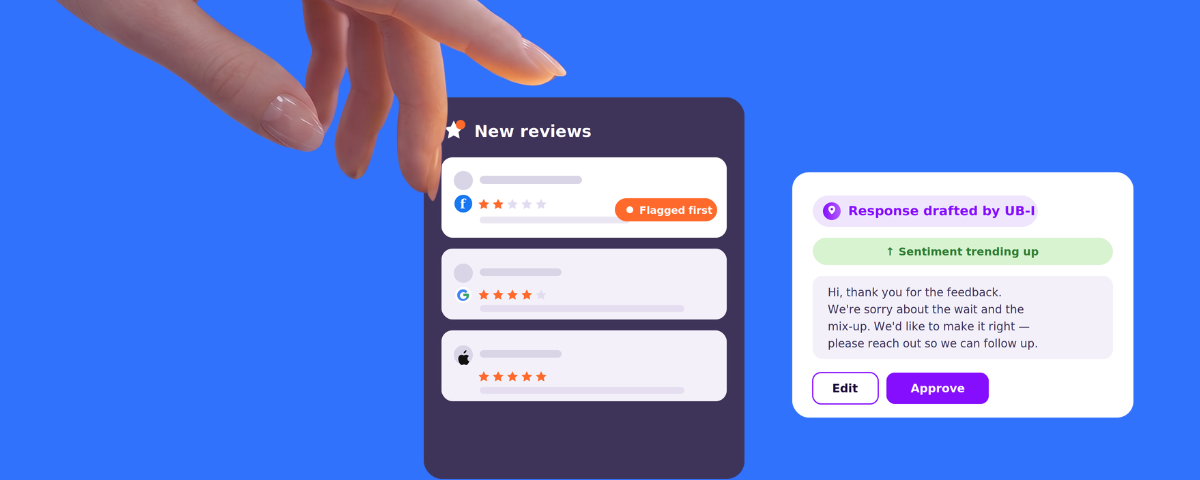
- Respond to All Reviews: Thank customers for positive feedback. Address negative reviews with a professional response that acknowledges the issue and explains the next step when appropriate.
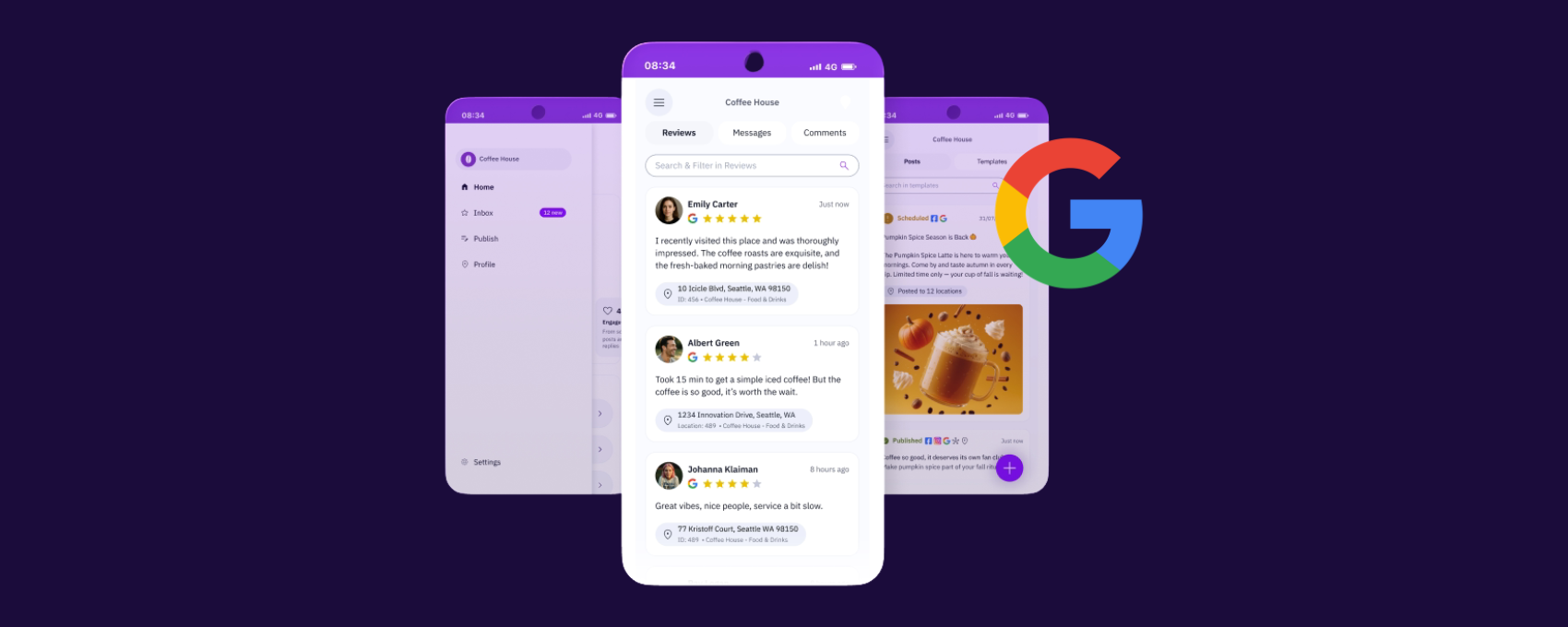
- Centralize Your Efforts: Multi-location brands need one place to manage reviews across every profile. A centralized platform like Uberall Reviews helps corporate teams maintain brand standards while enabling local managers to provide timely, location-specific responses.
Optimize Your Website for Local Dominance
Your website should support every restaurant location with accurate local information and pages that match what diners search for. A plan for how a multi-location restaurant chain can improve its visibility in near me searches starts with useful, location-specific pages.
Create High-Converting Pages for Every Single Location
A locations page alone gives search engines limited information about each restaurant. Create a dedicated page for every location, with details that help local customers plan a visit.
Each location page must include:
- Unique and accurate NAP information
- An embedded Google Map
- Location-specific hours
- Localized content mentioning nearby landmarks or neighborhoods
- Testimonials from local customers
These pages help you boost local SEO for better visibility and show Google how each restaurant serves its community.
Win the "Near Me" and Mobile Search Battle
Think with Google's research on how near me shopping searches have changed shows that mobile users often make "near me" searches while looking for a place to visit. To address how to optimize my business for local mobile searches, prioritize page speed, readable menus, and simple navigation.
Make buttons large enough to tap, keep ordering and directions easy to find, and test every location page on a phone. Customers should be able to view the menu, check hours, and get directions without zooming or searching through the page. Optimize for 'near me' searches with a mobile site built for immediate local intent.
The Future Is Here: Preparing for AI and Voice Search
AI search and voice assistants increasingly shape how customers find restaurants. Teams planning how can restaurant brands optimize their listings for AI search engines and voice search should begin with complete, consistent location data.
How AI Recommendations Are Changing the Game
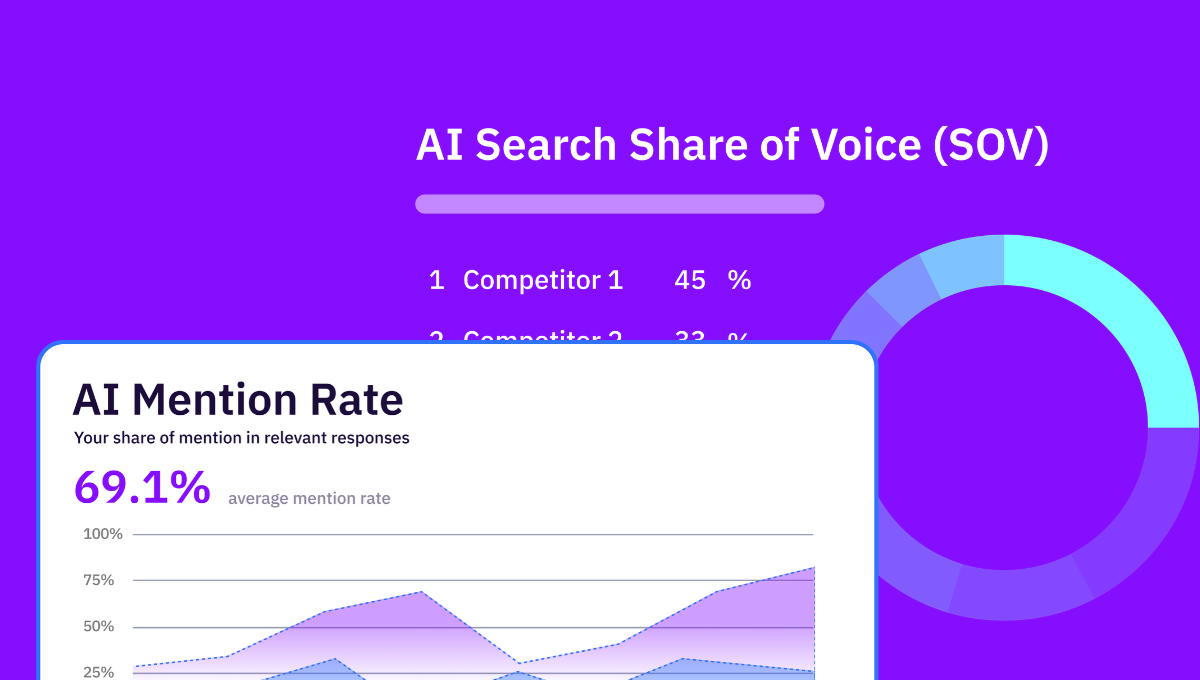
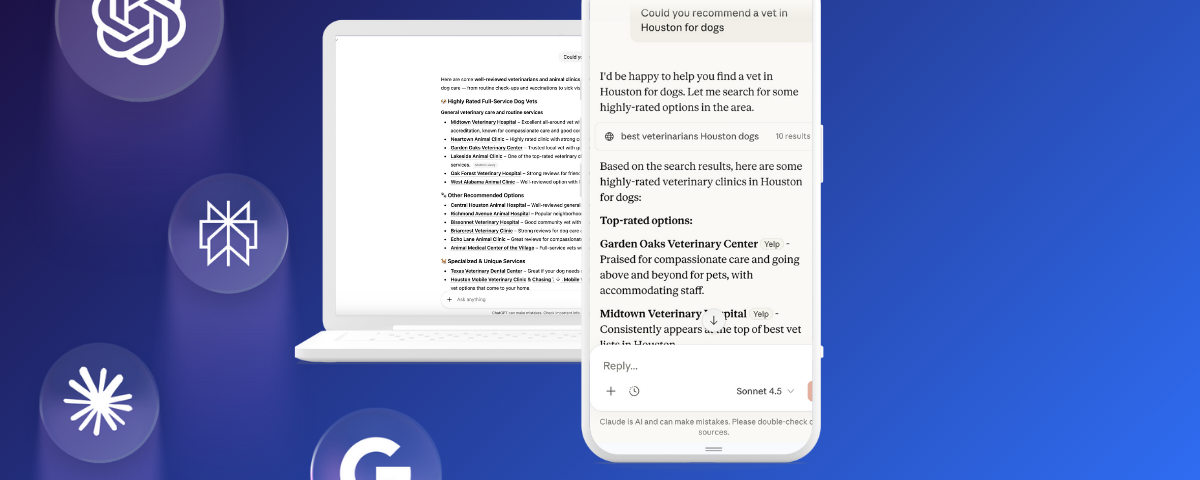
Search tools increasingly provide direct recommendations based on a user's question. A customer who asks, "Where's a good place for a family dinner that's open now?" may receive a restaurant recommendation based on hours, location, reviews, menu information, and other structured details.
Your listings and website need accurate, complete data so AI systems can identify when your restaurant matches a request. Give search engines enough trustworthy information to recommend the right location.
We're seeing a rapid shift from human-led search to AI-led recommendations. Restaurant brands should maintain accurate listings, clear menus, current hours, and consistent location data across every channel.
Structuring Your Data to Be AI-Ready
Schema markup is code that helps search engines understand the details of your restaurant. The schema.org Restaurant type can identify cuisine type, menu URLs, price range, accepted payment types, and other relevant attributes.
Combine schema with complete location data across your listings. This gives search engines consistent information to use in search results, voice responses, and AI recommendations. By adopting an AI mindset, you can prepare your brand for changing customer search behavior.
Measuring What Matters: From Local Search to Foot Traffic
Measure how local search activity leads to restaurant visits and revenue. Use tools for tracking local search ROI and foot traffic attribution for restaurants to connect listing engagement with in-store outcomes.
Tracking Performance Across Hundreds of Locations
For fast food chains with over 100 locations, which local SEO tools are best depends on whether the platform can manage location data and performance at scale. Manual tracking across hundreds of profiles takes time and makes it difficult to identify patterns.
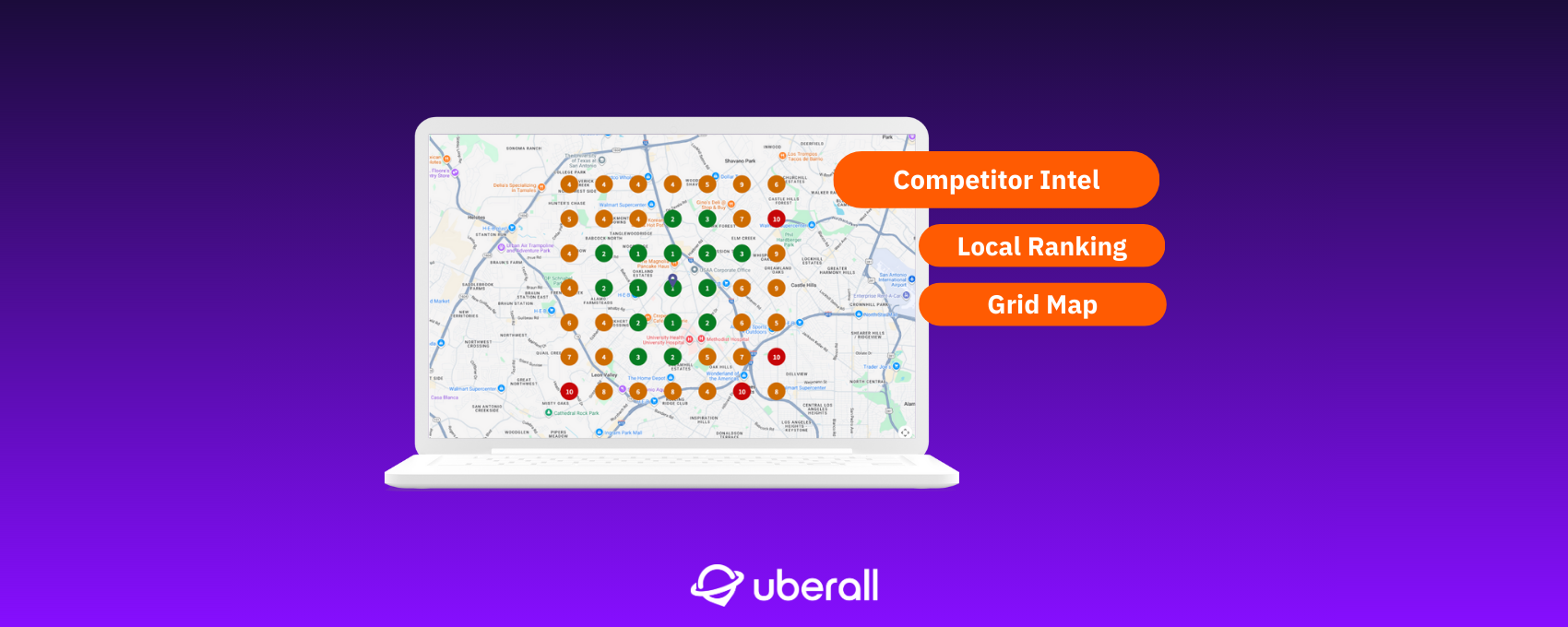
Use a single dashboard to compare locations, monitor listing engagement, and find restaurants that need attention. An integrated platform like Uberall provides location-level data for a full local SEO audit and competitive analysis.
Connecting Clicks to In-Store Customers
Foot traffic attribution connects online actions, such as viewing a GBP listing or requesting directions, with visits to a physical restaurant. This data shows how local marketing contributes to in-store traffic.
A platform like Uberall brings these capabilities together, helping teams connect listing performance, customer actions, and restaurant visits. Consistent measurement gives marketing teams data they can use to allocate budget and improve local campaigns.
Your Recipe for Local Success in 2026
Local search success in 2026 depends on accurate Google Business Profile listings, a consistent review program, useful location pages, and structured data for AI search. Measure performance from search activity through to foot traffic.
Multi-location restaurant brands need centralized control of brand data and local teams who can engage with customers. Uberall helps brands manage their hybrid customer experience across locations, so diners can find accurate information and choose the right restaurant in their neighborhood.



1,800 brands trust us to stay visible
— not just show up once or twice in local search.