Episode 7: The Past, Present, and Future of Location Marketing

Key Takeaways
- If you do not have a video strategy for local, you are already behind
- The biggest misconception in local SEO was treating ranking factors as exact instructions from Google
- Apple Maps is closing the trust gap with Google Maps and should be a priority for every business with physical locations
- AI tools like ChatGPT are best used for discovery and analysis
- Rich, complete data is still the foundation
Location marketing has evolved from keyword-stuffed listings and spammy photos to a sophisticated discipline that spans multiple platforms, incorporates AI, and demands constant adaptation to changing consumer behavior. But despite the pace of change, the fundamentals remain: accurate data, engaging content, and trust.
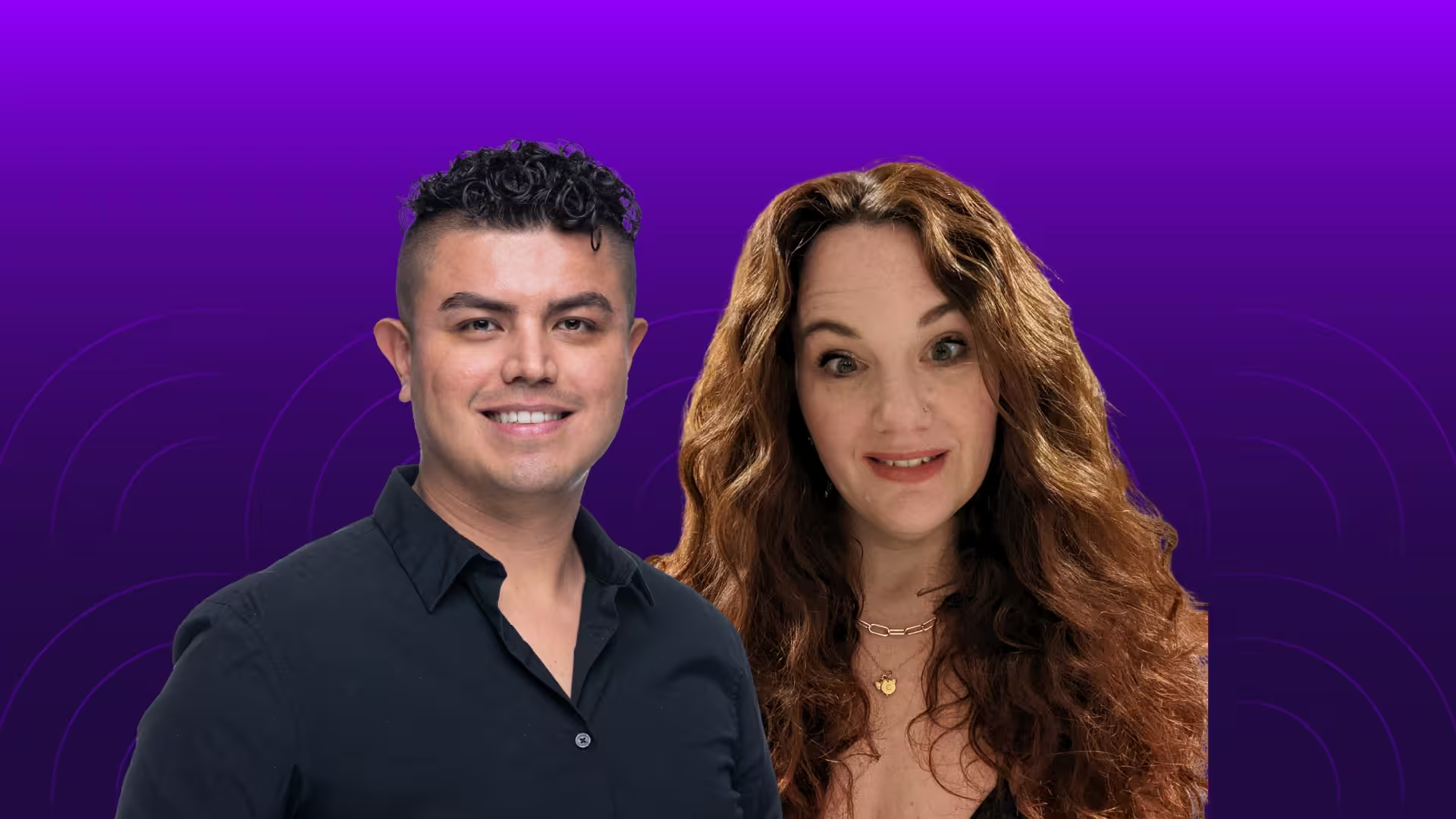
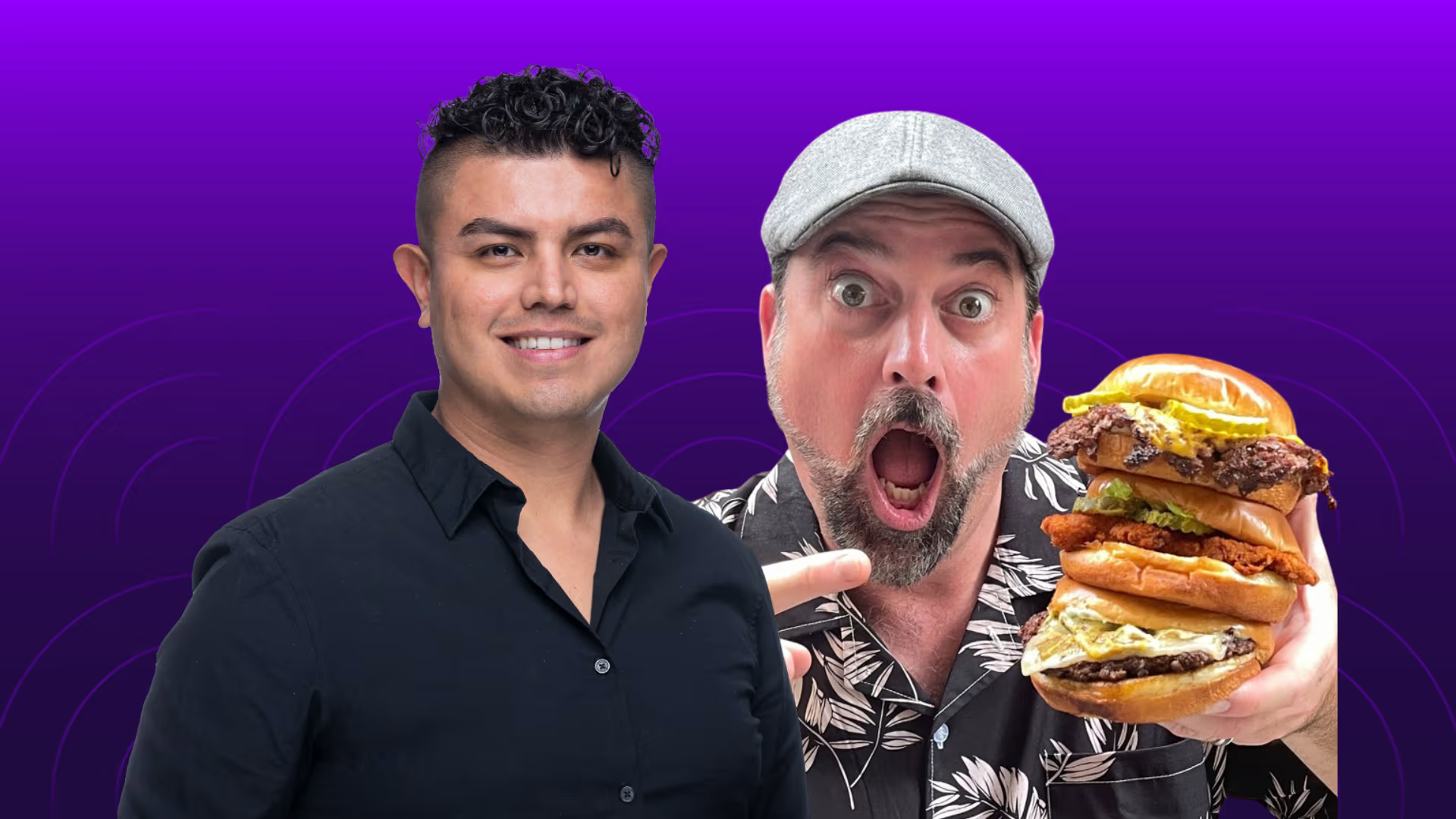
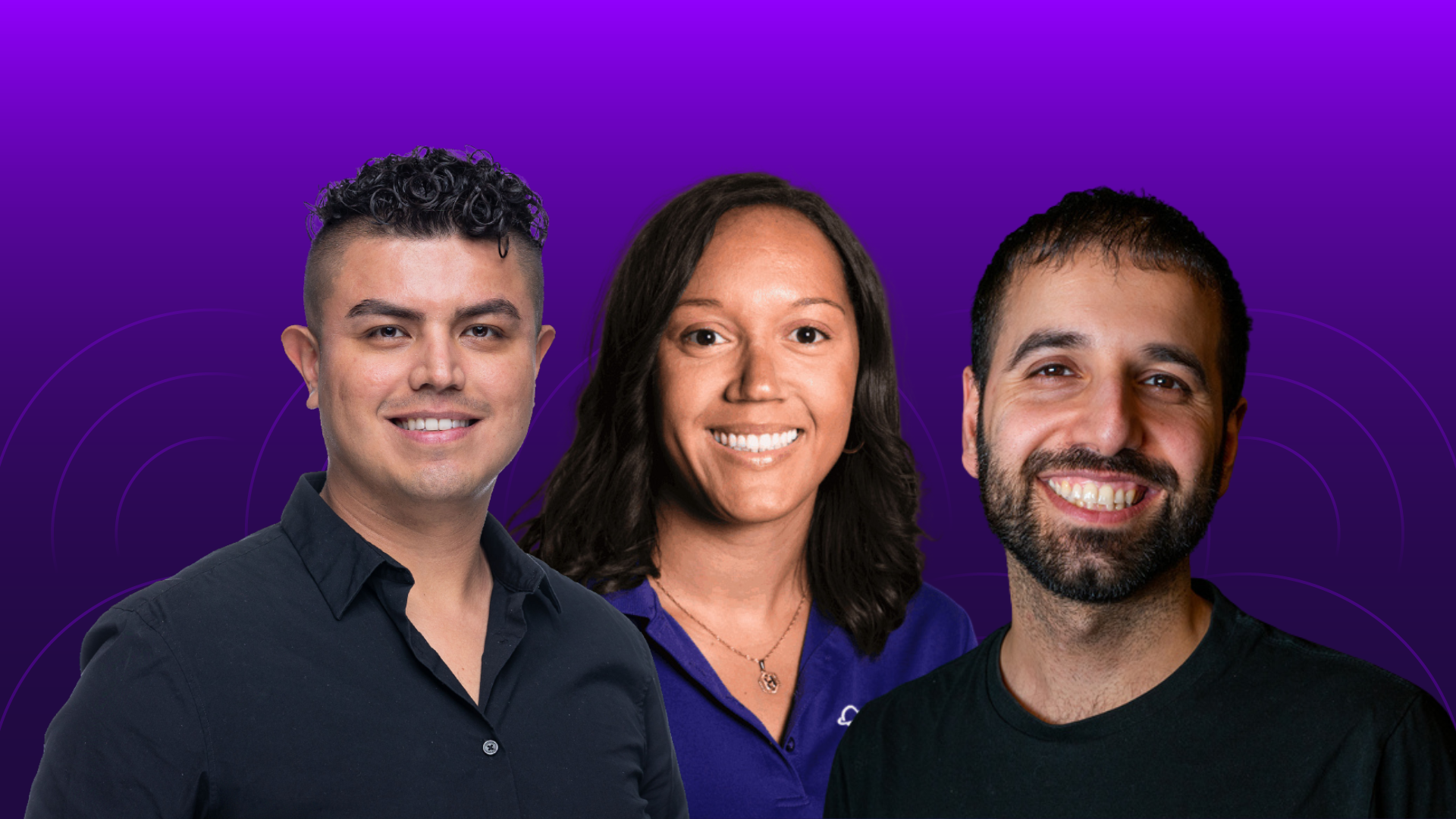
In this episode of the Local Marketing Beat podcast, host Christian Hustle is joined by Krystal Taing, VP of Solutions at Uberall, and Ehab Aboud, Senior Value Engineer at Uberall, to reflect on how location marketing has changed over the past decade, where the industry stands today, and what multi-location brands need to prioritize heading into 2024 — from video strategy and AI adoption to the rapid rise of Apple Maps.
Timestamps
00:00 Why video is essential for local marketing in 2024
01:40 Introduction to the episode and guests Krystal Taing and Ehab Aboud
04:00 Last local search stories: gluten-free pizza and hotels in Jakarta
06:55 The past: how location marketing has evolved over the last decade
10:58 Misconceptions from the early days: keyword stuffing and ranking factor obsession
13:33 How analytics and insights have changed for local
16:10 The present: how AI is reshaping multi-location strategies
20:00 Using ChatGPT for brand discovery, not just content creation
22:00 The future: Apple Maps, video strategy, and SGE
27:00 Gold nugget: how liking reviews pushes them to the top of your profile
Video Is No Longer Optional for Local Marketing
“If you do not have a video strategy for local, you are already behind. I can’t highlight enough how impactful this is — not just from a Google perspective, an Apple perspective, but also the way that videos are taking priority in terms of ranking on organic results.” — Krystal Taing
Krystal opens the episode with what she considers the most urgent action item for multi-location brands heading into 2024: video.
Videos are now being pulled from TikTok, Twitter, and YouTube Shorts directly into organic search results, and Google’s Search Generative Experience (SGE) tests are incorporating photos and videos prominently.
Her advice is practical: If your brand already has a social video strategy, replicate it on your local channels — Google Business Profile, Apple Business Connect, and other local platforms.
Think bite-sized snippets: Behind-the-scenes looks, product showcases, quick event recaps, and location tours. Consumers want to see what a location looks like before they visit, and the brands that deliver that visual experience will outperform those that rely on text and static images alone.
The Biggest Misconception: Treating Ranking Factors as Rules
“People thought algorithms and ranking factors were the end-all-be-all of what you should do as a marketer. But really, ranking factors are your compass — these are some suggestions about how other businesses succeed and fail. You shouldn’t be making adjustments to your business based on how Google is going to interpret you. You should be promoting your business for your customers.” — Krystal Taing
Krystal identifies what she sees as the most persistent misconception in local SEO: treating ranking factor reports as exact instructions from Google.
She reframes them as directional guidance based on consensus from practitioners, not prescriptive rules. The real approach should be customer-first — testing what works for your specific business, industry, and region rather than blindly following a checklist.
Ehab adds a complementary perspective from the early days: Keyword stuffing was the dominant tactic, with businesses cramming keywords into every field of their listing. While that has largely disappeared, he still sees remnants of it. The shift toward relevance, consistency, and rich data — quality photos, accurate hours, complete descriptions — represents a fundamental maturation of the industry.
Apple Maps Is Closing the Trust Gap
“Five years ago, if I said to you that I would be using Apple Maps on a day-to-day basis, you might laugh me out of the room because Google Maps would be so much better. But that’s where a lot of people are now. They’re saying Apple Maps is the one they’re using.” — Ehab Aboud
Ehab identifies Apple Maps as his biggest area of focus heading into 2024.
The platform has undergone a dramatic transformation in user trust and feature richness over the past five years. Most iPhone users no longer install Google Maps — they rely on Apple Maps as their default, and the quality of the experience now supports that behavior.
For multi-location brands, this means Apple Business Connect should be treated with the same priority as Google Business Profile. Ehab notes that Uberall has made significant announcements around Apple Maps capabilities, and the businesses that invest in this channel now will differentiate themselves from competitors who are still treating it as an afterthought. As Apple continues adding business-level features, the gap between Apple Maps and Google Maps will continue to shrink.
AI Is for Discovery and Analysis, Not Just Content
“Go say ‘I want to understand how customers feel about my brand’ or ‘What are my competitors doing?’ or ‘What are my competitive categories?’ There’s so many things you can do that have nothing to do with writing content that really can benefit your business.” — Krystal Taing
Both Krystal and Ehab push back on the default assumption that AI tools are primarily for content creation.
Krystal outlines a range of use cases that go far beyond writing: using ChatGPT to understand how your brand is represented in AI search results, identifying competitive categories, analyzing large datasets for trends, and diagnosing root causes behind performance changes.
Ehab frames AI as the personal assistant he has wanted for years — something that offloads work and provides direction rather than just generating text. For enterprise brands dealing with astronomical amounts of data across hundreds of locations, connecting an API to ChatGPT and asking analytical questions about that data can surface insights that would take a human team days to find.
The advice for brands that have not yet adopted AI: Start using it personally in your day-to-day work before applying it to business operations, so you understand its capabilities and limitations.
Rich Data Is Still the Foundation — Before You Chase Trends, Get the Basics Right
“Before we can run, let’s start walking. Just fill everything out. Maybe update a photo every single week. Make sure your opening hours are correct. Ensure you’re responding to reviews. These things will help you so much more than thinking about the next new AI tool.” — Ehab Aboud
Ehab delivers the message he says he evangelizes at every conference and podcast: The single most important thing any multi-location brand can do for AI readiness, algorithm changes, and future platform shifts is to ensure their location data is complete, accurate, and regularly updated. Fresh photos, correct hours, review responses, complete descriptions — these are the foundations that every future innovation will build on.
Krystal echoes this from the platform perspective: While Uberall is layering in AI where it makes sense — social posting, review management, content generation — the team is equally focused on doubling down on the basics: consistent data, seamless integrations with the largest networks, and a platform that is easy to use regardless of whether a business has 10 or 2,000 locations. The brands that nail the fundamentals will be best positioned for whatever comes next.
Check YouTube
Ready to Transform Your Business?
Connect with our partnership team to learn how Uberall can help you achieve similar results. Get a personalized consultation and discover the opportunities waiting for your business.
.png)