Scale Local Social Post Engagement With AI
Discover how AI-powered strategies can scale local social media for multi-location businesses, maximizing engagement with proven step-by-step tactics.


For businesses with multiple locations, managing social media effectively is both critical and extremely challenging. With dozens or hundreds of locations to manage, maintaining consistent brand messaging while creating locally relevant content requires optimizing your social strategy across numerous platforms and communities.
But get it right, and the rewards are immense. Optimizing for AI-powered multi-location marketing software can maximize engagement rates and dramatically increase customer interactions at every single location.
In this guide, we'll walk through a proven step-by-step process to scale your local social media presence while boosting engagement across all locations. By implementing these AI-driven social media strategies alongside local search optimization software best practices, you'll increase visibility and engagement when customers discover your businesses online.
Whether you have 5 locations or 500, a comprehensive AI-powered social media strategy using business listing management software is key to driving more customer engagement and foot traffic at all your locations. Let's dive into the tactics that make it possible.
1. Establish Your Social Media Architecture
The first step in scaling multi-location social media is determining the right platform structure for your business's specific needs. The best approach depends on your available resources and how much autonomy each location requires for social engagement. You have two main options:
Individual Social Accounts for Each Location
With this approach, each business location maintains its own social media accounts across platforms (e.g., @LocationABC_NYC, @LocationXYZ_LA).
This provides maximum customization opportunities, allowing each location to create content tailored specifically to its local community and customer base. However, maintaining numerous individual accounts is labor-intensive and can become overwhelming without proper directory listing management platform tools.
Centralized Brand Account with Location-Specific Content
Alternatively, you can operate unified brand accounts while publishing location-specific content that targets different communities (e.g., @YourBrand posts about NYC events, LA promotions, etc.).
This option is more cost-effective, easier to manage, and allows each location's content to benefit from the broader brand's follower base and engagement history. For most businesses, operating centralized accounts with AI-powered location-specific content strikes the right balance of efficiency and personalization.
However, this approach requires sophisticated content management to ensure local relevance while maintaining brand consistency across all posts.
2. Implement AI-Powered Content Creation Systems
Fast, consistent content creation builds engagement with customers and social media algorithms alike. AI-powered content systems are fundamental for maintaining active social presence across all your business locations.
Your social media presence is often where potential customers first encounter your business, making it critical to ensure every post is engaging, on-brand, and locally relevant. Inconsistent or generic content will severely hamper local engagement and deter potential customers.
Automated Content Generation
Nobody wants to see the same generic posts across multiple locations, especially when customers expect local relevance. Beyond user experience, content personalization is a significant factor in how social media algorithms prioritize posts in feeds.
4 out of 5 users conduct searches with local intent on search engines, and these same users expect localized content on social media. AI algorithms can analyze local events, weather patterns, and community interests to generate unique posts for each location.
AI systems can create several types of location-specific content:
- Weather-appropriate product promotions
- Local event tie-ins and community engagement
- Location-specific offers and announcements
- Seasonal content adapted to regional preferences
- Community celebration posts and local milestone recognition
The bottom line is that personalized, locally relevant content ideally generated in under 2-3 minutes per location is essential for pleasing customers and social algorithms alike.
Brand Consistency Maintenance
You have a responsibility to maintain brand integrity while personalizing content for local audiences. AI-powered content creation plays a critical role in balancing these requirements.
Building trust and recognition through consistent brand voice is crucial, especially when managing content across multiple locations simultaneously. From a branding perspective, inconsistent messaging can confuse customers and dilute brand recognition.
Modern AI content creation best practices include:
- Training AI systems on brand voice and messaging guidelines
- Implementing automated brand compliance checks
- Creating template libraries with location customization options
- Establishing approval workflows for sensitive content topics
Consistent, locally relevant content creation is simply table stakes for modern multi-location businesses. Get these fundamentals right, and you'll compete effectively for local social engagement.
3. Optimize Content for Mobile-First Social Consumption
Having content that renders and engages perfectly on mobile devices is essential for multi-location social media because significant engagement comes from mobile users browsing platforms like Instagram, Facebook, and TikTok.
64.35% of global web traffic comes from mobile devices, and social media consumption skews even more heavily toward mobile usage. If your content doesn't work for mobile users, you lose the majority of your potential social media audience.
Modern consumers primarily consume social media on mobile when discovering local businesses, reading reviews, getting directions, and sharing experiences. If your content appears poorly formatted, difficult to read, or slow to load on mobile devices, users will quickly scroll past.
Building excellent mobile-optimized social content goes beyond avoiding formatting issues. You'll want to ensure your social media posts:
- Load quickly with optimized images and videos (under 3 seconds)
- Use readable fonts and appropriate text sizes for small screens
- Feature clear, tappable call-to-action buttons
- Prioritize the most important information in the first few lines
- Work seamlessly across all major social media platforms and devices
It's good practice to verify your content's mobile performance using platform-specific preview tools. With mobile social media consumption dominating engagement patterns, having optimized content for each location is critical, not optional.
4. Create Location-Specific Social Media Pages
One of the most powerful strategies for multi-location businesses is developing location-specific social media content that appears on your unified brand pages – often called geo-targeted posts, local social content, or community-focused messaging.
Location-specific social media content targets users in particular geographic areas with information relevant to that specific business location or service area. The content on these posts directly addresses the local community's interests and needs.
For example, our multi location marketing software enables businesses to create localized social content for each location containing details like:
- Location-specific events, promotions, and community involvement
- Local weather-related product recommendations
- Staff highlights and behind-the-scenes content from specific locations
- Community partnerships and local business collaborations
- Location-specific customer testimonials and success stories
Having location-specific social content allows you to connect with each community personally rather than broadcasting generic corporate messaging. This provides much better engagement rates and builds stronger local customer relationships.
From an algorithm perspective, location-targeted content helps social media platforms identify the most relevant posts for users in specific geographic areas. Content packed with local references, community events, and location-specific offers shows that your business is actively involved in local communities.
For large, multi-location businesses, staying on top of content for different areas can be challenging. A local SEO management platform streamlines the process of creating, scheduling, and maintaining localized social media presence across all locations. You can generate location-specific content variations at scale while maintaining brand consistency.
5. Integrate Social Media with Google Business Profiles
While creating engaging social media content is crucial, you also need to ensure your Google Business Profiles are optimized and integrated with your social media strategy.
Customers are 2.7x more likely to view a business as reputable if it has a complete Google Business Profile. Having optimized profiles that connect with your social media increases visibility, builds credibility, and drives more engagement across platforms.
Key integrations between social media and Google Business Profiles include:
- Cross-posting engaging content between social platforms and Google posts
- Sharing customer reviews and testimonials across all platforms
- Coordinating promotional campaigns and offers across channels
- Using consistent visual branding and messaging
- Leveraging Google Business Profile posts to drive social media following
High-quality visual content should be shared across both social media and Google Business Profiles. Professional photos and videos that showcase your locations can elevate engagement on all platforms simultaneously.
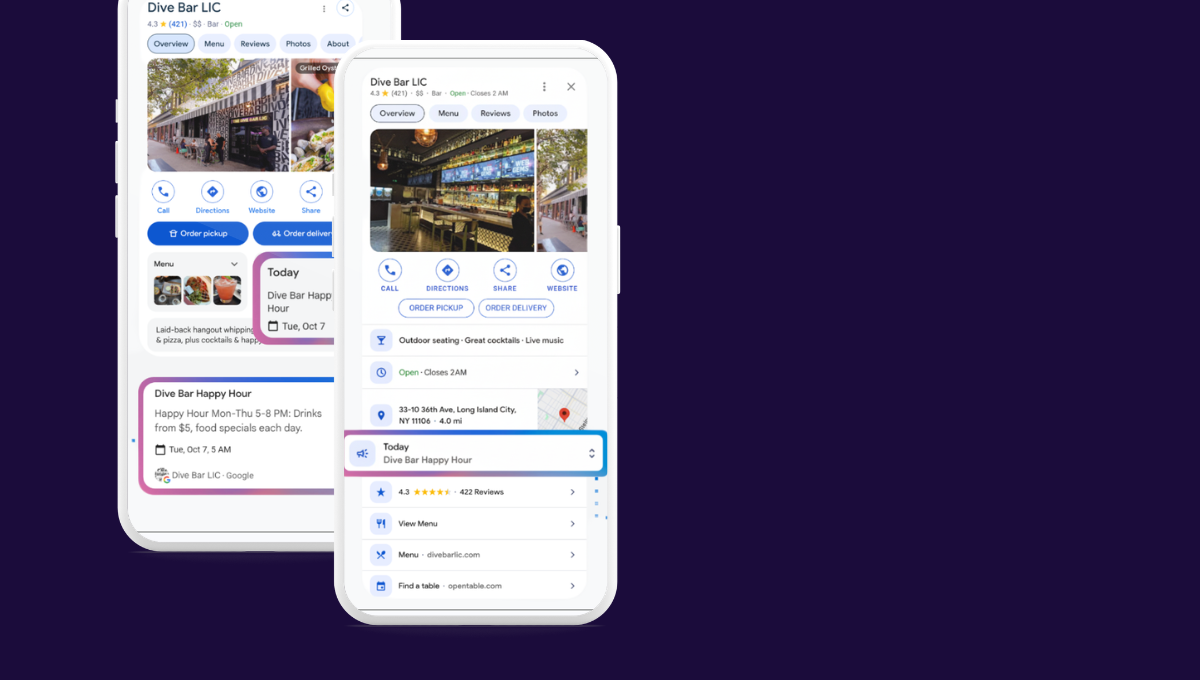
Google Business Profiles also support posts similar to social media updates, creating opportunities to repurpose successful social content for local search visibility. This integrated approach maximizes the impact of your content creation efforts across multiple customer touchpoints.
6. Expand Social Presence Across Multiple Platforms
While focusing on major platforms like Facebook and Instagram is important, you can't stop there. To maximize local social media engagement, you need to ensure your business maintains consistent presence across all platforms where your local customers spend time.
This includes major platforms like LinkedIn, TikTok, Twitter, and YouTube, as well as local community platforms and neighborhood social networks. Maintaining active presence on multiple platforms builds your social media authority and reaches customers wherever they prefer to engage.
As you develop content for each platform, ensure your core brand message and visual identity remain consistent while adapting content format and style to each platform's unique characteristics.
Social media algorithms favor consistency and regular posting. Conflicting messaging or sporadic posting patterns make your business appear less professional and can negatively impact algorithmic reach.
For multi-location businesses, manually creating platform-specific content for numerous locations can be extremely time-consuming. AI-powered multi-location review management solutions make it easier to adapt content across platforms at scale.
These systems can automatically reformulate successful posts for different platform requirements while maintaining message consistency. For example, a detailed Facebook post can be automatically condensed into Twitter-appropriate length while preserving key messaging and calls-to-action.
7. Leverage AI for Social Media Optimization and Scheduling
Now that you have location-specific content created and profiles established across platforms, it's time to optimize posting schedules and content performance using AI-powered analytics. Smart scheduling and optimization help ensure your content reaches the right audiences at optimal times.
AI-Driven Posting Schedule Optimization
Think about when your target customers in different locations are most active on social media. AI analytics can identify optimal posting times for each location and platform combination. Patterns will likely include:
- Peak engagement hours varying by time zone and local demographics
- Platform-specific optimal posting times (e.g., LinkedIn during business hours, Instagram during evening leisure time)
- Local event and seasonal timing considerations
Once you've identified optimal posting schedules, AI systems can automatically publish content at peak engagement times for each location and platform combination.
Performance Analytics and Content Optimization
AI can also analyze engagement patterns to identify which content types, messaging styles, and visual elements generate the highest engagement rates. This data continuously improves your social media strategy by:
- Identifying top-performing content themes and formats
- Optimizing hashtag strategies for local discovery
- A/B testing different messaging approaches automatically
- Adjusting content calendars based on engagement patterns
Avoid overwhelming audiences with excessive posting frequency. AI analytics help identify optimal posting frequency to maintain engagement without causing audience fatigue.
Cross-Platform Content Adaptation
AI systems can automatically adapt successful content across different platforms while maintaining core messaging. For example, a successful Instagram story can be reformatted for LinkedIn company updates, TikTok videos, or Google Business Profile posts.
This approach maximizes content ROI while ensuring consistent messaging across all customer touchpoints.
8. Build Community Engagement Through User-Generated Content
While creating original content is crucial, multi-location businesses should also prioritize encouraging and leveraging user-generated content as part of a comprehensive social media strategy. Customer-created content builds authenticity and community engagement that branded content alone cannot achieve.
70% of consumers rarely visit an unfamiliar business before checking online reviews first, and social media reviews and user-generated content serve similar trust-building functions.
Smart strategies for encouraging user-generated content include:
- Location-specific hashtag campaigns. Create unique hashtags for each location that encourage customers to share their experiences, photos, and stories.
- Customer feature campaigns. Regularly spotlight customer photos, reviews, and experiences across your social media channels, with proper attribution and permission.
- Community challenges and contests. Run location-specific contests that encourage customers to engage with your brand and share content about their experiences.
- Behind-the-scenes content partnerships. Collaborate with local customers, influencers, and community members to create authentic content that showcases your business's community involvement.
The key is ensuring user-generated content aligns with your brand values and messaging while showcasing genuine customer experiences. This authentic content typically generates higher engagement rates than traditional promotional posts.
For multi-location businesses, systematically collecting and sharing user-generated content across all locations requires organized processes and tools. Directory listing management platform solutions can help aggregate and organize customer content across all locations while ensuring proper permissions and brand compliance.
9. Monitor Performance and Scale Successful Strategies
Achieving 2x engagement requires systematic monitoring, analysis, and scaling of successful social media strategies. AI-powered analytics provide the insights needed to identify what works and expand successful approaches across all locations.
Comprehensive Engagement Tracking
Social media success goes beyond just follower counts. AI analytics can track meaningful engagement metrics including:
- Comments, shares, and saves that indicate genuine customer interest
- Click-through rates to location pages and booking systems
- Conversion rates from social media to actual store visits or purchases
- Sentiment analysis of comments and mentions
- Local community engagement and brand mention frequency
Cross-Location Performance Comparison
AI systems can identify which locations and content strategies generate the highest engagement, allowing you to replicate successful approaches across your entire network. This data-driven scaling ensures you're investing time and resources in strategies that deliver measurable results.
Automated Response Management
Multi location review management systems can integrate with social media management to ensure consistent, timely responses to customer comments and messages across all locations and platforms.
This level of responsive customer service builds trust and encourages continued engagement while preventing any customer inquiries from falling through the cracks.
ROI Measurement and Business Impact
Advanced analytics can connect social media engagement directly to business outcomes, tracking how social media activity drives foot traffic, online orders, and revenue growth across all locations.
This comprehensive measurement approach ensures your social media investment generates tangible business results rather than just vanity metrics.
Scale Your Social Media Success With Uberall
Implementing AI-powered social media strategies across multiple locations requires sophisticated technology and seamless integration with your other marketing efforts. Uberall's comprehensive local search optimization software provides the tools needed to achieve 2x engagement while maintaining operational efficiency.
Key features that drive engagement success include:
- AI-powered content creation that generates location-specific posts while maintaining brand consistency
- Automated posting and scheduling optimized for each location's peak engagement times
- Integrated review and social media management that transforms customer feedback into engaging social content
- Cross-platform publishing that adapts content for Facebook, Instagram, LinkedIn, and Google Business Profiles
- Advanced analytics that identify successful strategies and optimize performance continuously
Uberall serves as the comprehensive business listing management software that handles the complexity of multi-location social media management while you focus on strategic growth and customer engagement.



1 800 marques nous font confiance pour rester visibles
— pas seulement apparaître une ou deux fois dans la recherche locale.