How to Nail Phygital Customer Experiences
Learn how to optimize phygital marketing by blending physical and digital touchpoints to meet customer expectations. It's what you need in 2025 and beyond!


The rise of phygital experiences—where physical and digital touchpoints merge—is reshaping the way brands engage with customers. For businesses with physical locations, this means strengthening their online presence and integrating digital and physical experiences to meet evolving customer expectations.
At Uberall, where hybrid customer journeys are at the core of our strategy, we couldn’t ignore the significance of phygital experiences. But is this just a buzzword, or is it a transformative shift that businesses must embrace? Let’s break it down.
What Is a Phygital Strategy?
Phygital experiences are all about blending the physical and digital worlds to create seamless and engaging customer journeys. But it’s not just about adding technology to the in-store experience or offering online sales; it's about creating an integrated approach where both realms enhance each other.
In fact, 80% of consumers believe that the merging of the physical and digital worlds will create a better customer experience.
Physical + Digital = Phygital?
The equation sounds simple, but the implications for businesses are profound. Consumers now expect to interact with brands across multiple channels—online and offline. Whether browsing products on social media, researching services on Google, or visiting a brick-and-mortar location, the customer journey is no longer linear. It’s a hybrid that incorporates both physical and digital touchpoints.
Other terms you might hear in relation to phygital experiences include “omnichannel” or “hybrid experiences.” However, phygital takes it one step further by ensuring that these touchpoints not only coexist but enhance one another. It’s all about convenience for the customer, whether they’re exploring products online or purchasing them in-store (or vice versa).
How Phygital Marketing Has Transformed the Customer Journey
The shift from traditional brick-and-mortar stores to a blend of physical and digital experiences has altered the way businesses market to consumers. Nowadays, customers expect:
- Seamless Transitions Between Online and Offline: Consumers should be able to move easily between digital and physical interactions. For example, ordering a product online and picking it up in-store, or vice versa.
- Instant Gratification: With the rise of mobile commerce and instant online access, consumers expect brands to be responsive and available whenever they need them, whether for quick information, product availability, or support.
- Personalized Experiences: Brands must leverage data to provide relevant experiences, such as personalized recommendations or location-based offers, across both digital and physical touchpoints.
And yet, whether a customer interacts with a brand online, in-store, or through social media, the experience should feel unified. The digital experience has to reflect the brand’s physical presence and vice versa.
How to Offer the Best Phygital Experiences
To optimize your business for phygital experiences, it’s essential to ensure that your physical and digital strategies are fully integrated. Here are some actionable tips to help you offer seamless phygital experiences that meet today’s customer expectations.
1. Streamline the Digital and Physical Experience
The first step to providing a strong phygital experience is ensuring that your brand is visible everywhere potential customers may look for you—both online and offline. In terms of online marketing strategy, this includes local searches on search engines, social media platforms, directories, and more.
Your customers expect seamless transitions between digital and physical spaces. Ensure that both shopping experiences complement each other—whether it's checking in online before visiting your store or offering in-store kiosks for self-service. Consider using a location-based marketing tool to help manage your business listings across these touchpoints.
Keep Your Online Profiles and Listings Accurate
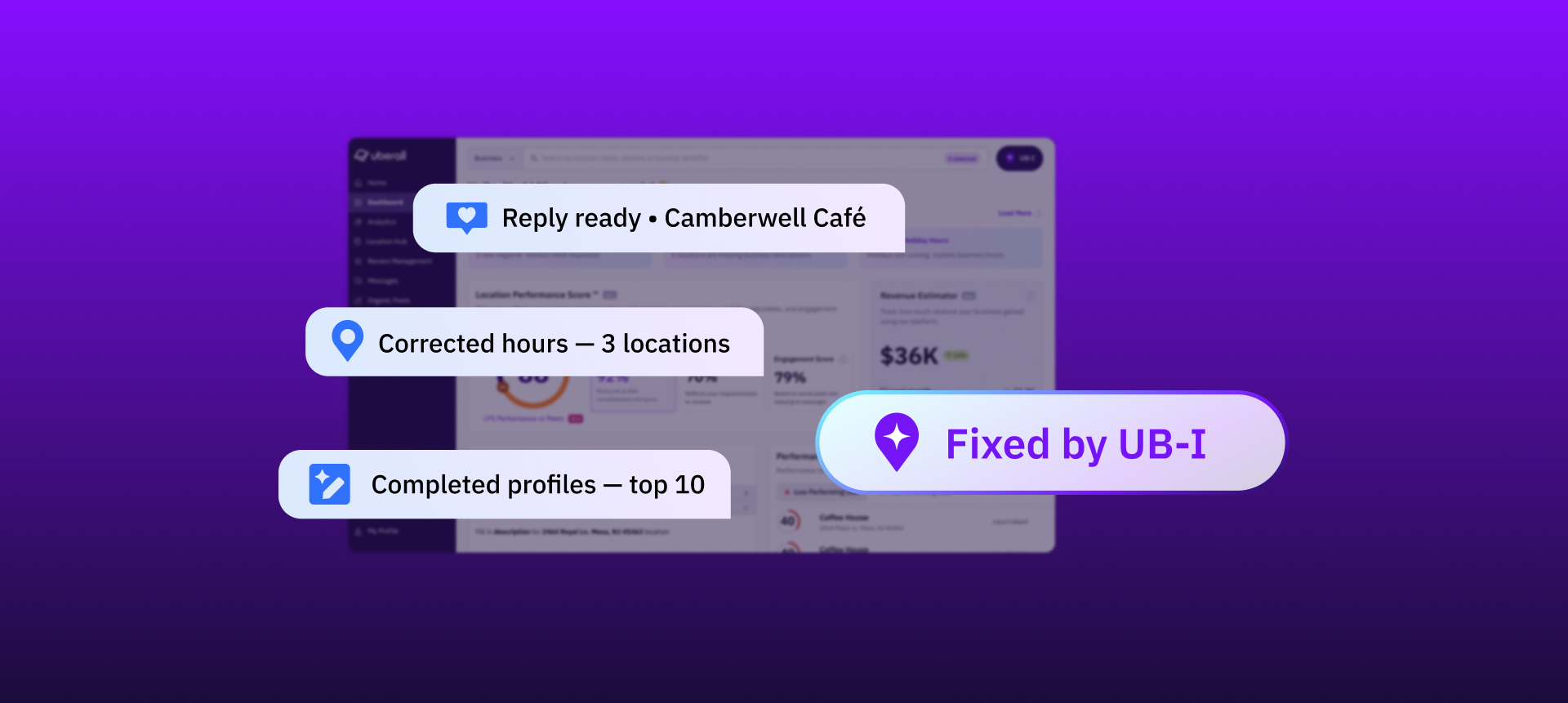
In the age of phygital experiences, online profiles are more important than ever. Your business’s online information—such as your location, hours of operation, phone number, and website—needs to be accurate and up-to-date. Customers expect this information to be reliable enough to make purchasing decisions; and by ensuring that your business appears across relevant directories and platforms, you can tap into a larger customer base and drive more foot traffic to your locations.
Make Your Digital “Shop Windows” Attractive
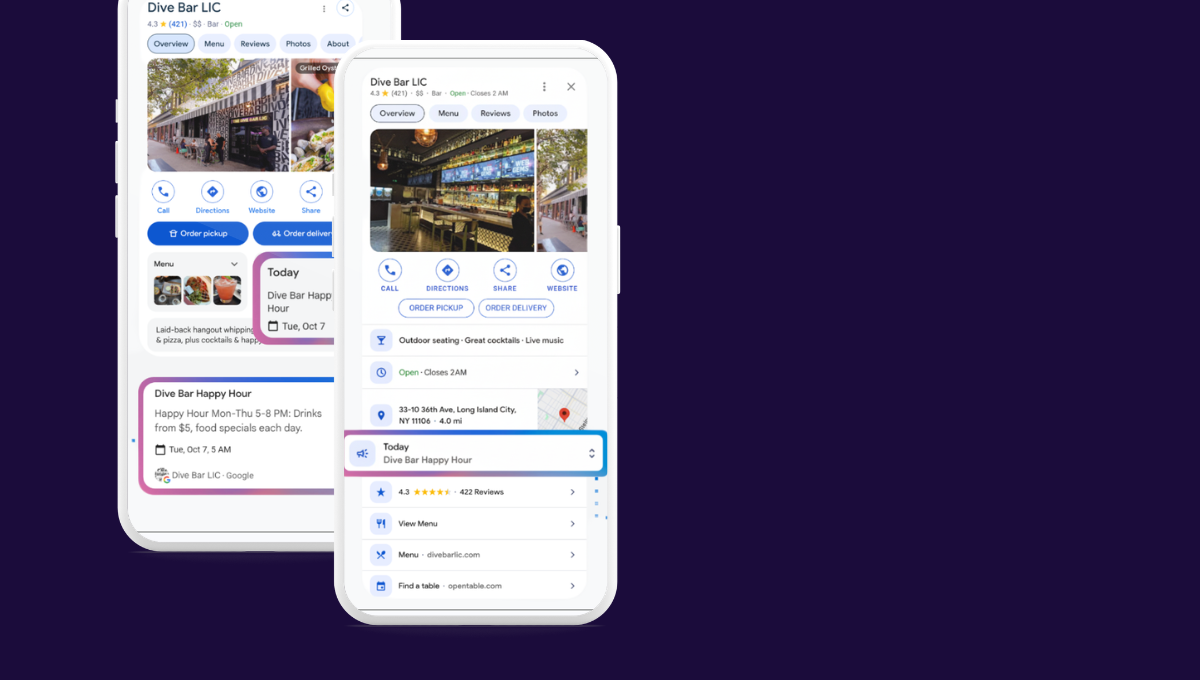
Your online presence should be just as inviting as your physical store. This includes having high-quality images on your website and Google Business Profile, along with clear product descriptions, service details, and any special offers. Think of your website and social media profiles as your digital storefront.
2. Ensure Real-Time Availability and Updates
Customers are looking for real-time information, especially when it comes to stock levels, availability, or services. Providing real-time updates on your website or app can help prevent frustration, as customers will know if a product is in stock or when their order will be ready for pick-up. By keeping your customers informed, you build trust and reduce potential customer dissatisfaction.
3. Personalize the Digital Experience
Tailored digital experiences can greatly enhance customer engagement and loyalty. By offering personalized recommendations, targeted offers, and communication based on customer behavior or past purchases, you show customers that you understand their needs. Personalization builds a stronger relationship, whether it’s recommending products online or offering special promotions when they visit in-store.
Provide Enough Data for Faster Decision-Making
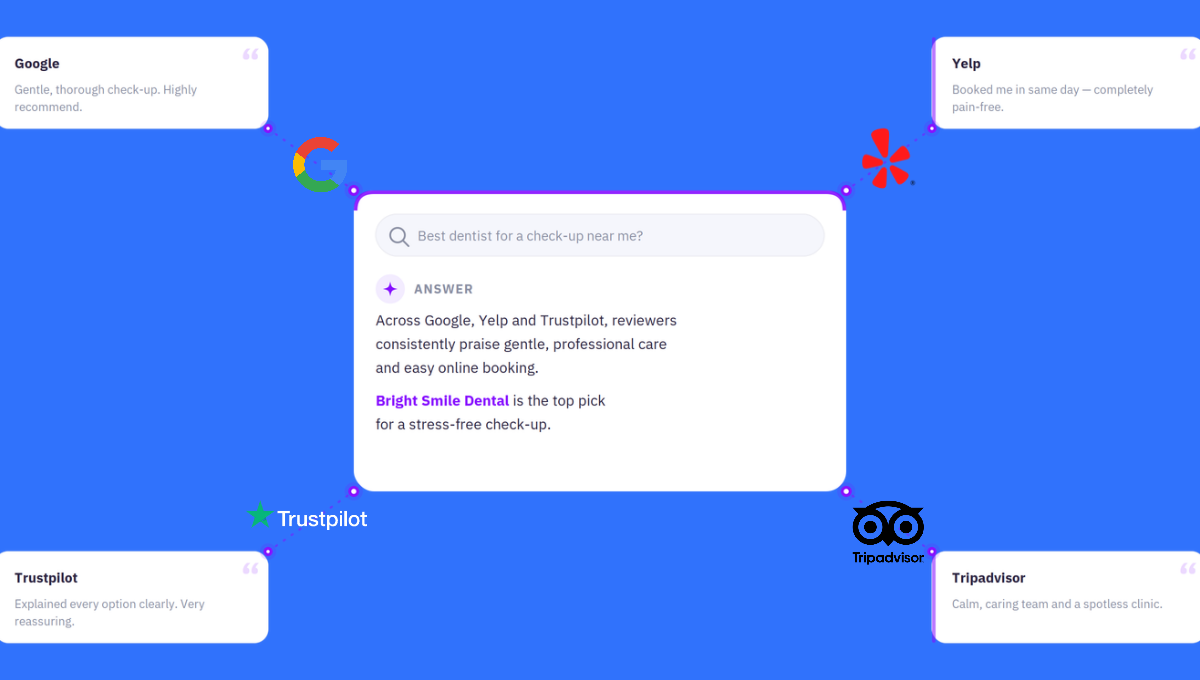
In the phygital age, customers rely on online reviews, ratings, and social media recommendations to help them make quick decisions. Studies show that 75% of consumers ‘always’ or ‘regularly’ read online reviews. So better ensure your business actively monitors online reviews and social media mentions, responding promptly to customer feedback.
4. Prioritize Seamless Mobile Experiences
With mobile devices continuing to dominate, it’s crucial to ensure your digital presence is optimized for mobile. A smooth mobile experience can make or break a customer's decision to browse, interact, or make a purchase. Whether it’s checking availability, making a booking, or paying for products, your mobile website or app should be fast, responsive, and easy to navigate.
5. Encourage Digital Engagement Before Physical Interaction
Before customers visit your store, engage them with your digital presence. Whether through browsing product details, reading reviews, or exploring special offers online, this helps spark their interest and improves the likelihood of them visiting your physical location. Providing a reason for digital engagement, such as exclusive online deals or sneak peeks, can drive more foot traffic.
Create Easy Paths to Conversion
Make it easy for customers to convert, whether online or offline. Provide clear calls to action, such as “buy now,” “book an appointment,” or “get directions.” Simplifying the purchase process, both digitally and in-store, will enhance your customers’ experience.
In addition, ensure your website has up-to-date product listings, accurate stock information, and easy navigation to make the digital journey seamless.
6. Empower Staff with Digital Tools
In-store staff should be equipped with digital tools to enhance their ability to serve customers efficiently. Whether it’s access to real-time inventory data, customer service chatbots, or mobile payment options, these tools ensure that staff can offer better assistance. A knowledgeable, tech-enabled staff enhances the phygital experience, helping bridge the gap between physical and digital touchpoints.
Offer Flexible On-Site Interactions
The pandemic reshaped consumer behavior, with many consumers now expecting hybrid experiences. Some prefer the convenience of digital channels, while others want the tactile experience of shopping in-store. Offering flexibility in your interactions—such as curbside pickup, in-store returns for online orders, and self-checkout options—can improve the phygital experience.
7. Continuously Gather Feedback and Adjust
In phygital marketing, feedback is key to improvement. Regularly gather feedback on both your digital and in-store experiences to identify areas of friction or dissatisfaction. Use surveys, social media polls, or post-purchase feedback to understand how customers are interacting with both your physical and digital presence. This insight helps you adjust and optimize your strategy, ensuring you’re always meeting customer expectations.
Prompt and Professional Communication
Whether responding to online reviews, social media inquiries, or customer feedback, it’s important to maintain prompt and professional communication. Customers expect quick responses, especially when interacting through digital channels.
How Phygital Marketing Transforms Key Industries: From Retail to Restaurants
While the concept of phygital marketing is equally important across all sectors, the approach varies, with each industry adapting it to meet its unique needs and specialties when integrating digital and physical touchpoints.
Phygital Marketing in Retail
In retail, phygital marketing is about blending the tactile, sensory experience of shopping in-store with the ease and accessibility of online shopping. Retailers should focus on creating a seamless journey that integrates both realms, ensuring customers can easily move between online and in-store experiences.
- Enable Click-and-Collect: Allow customers to order online and pick up their items in-store. This requires a streamlined process from the website to the physical store with clear communication on pick-up times and stock availability.
- Implement Augmented Reality (AR) or Virtual Reality (VR): Use immersive experiences with virtual try-ons, or show how products will look in the customer’s space. For instance, beauty brands can offer virtual makeup trials, while furniture retailers can let customers visualize how a sofa fits in their living room. 51% of consumers expect to use AR/VR technologies in-store by 2025.
- Optimize for Local Search: Ensure your store is easily discoverable online by maintaining accurate business listings and utilizing local SEO strategies to increase foot traffic.
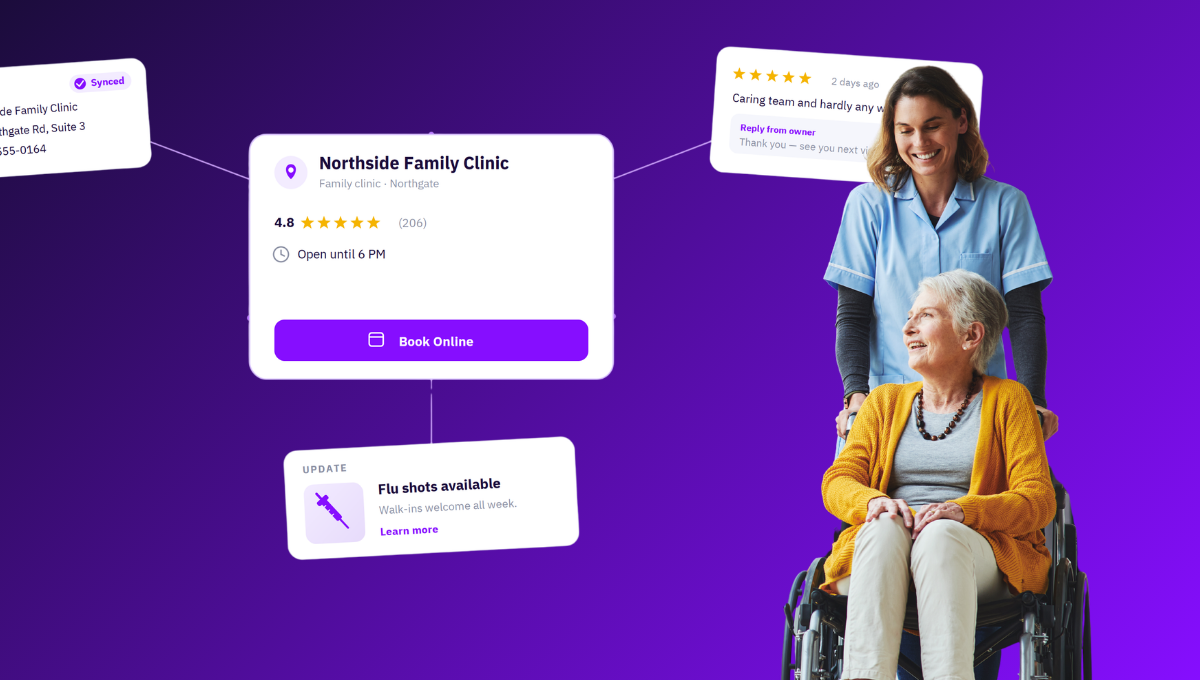
Phygital Marketing in Healthcare
In healthcare, phygital marketing is about providing accessible and efficient care through both digital platforms and physical locations. Patients now expect easy access to health services online while still valuing in-person care when necessary.
- Enable Online Appointments and Virtual Consultations: Ensure patients can book appointments online and access telemedicine services, making healthcare more accessible from home.
- Use Patient Portals for Information Sharing: Offer easy access to health records, prescription refills, and appointment reminders through digital platforms.
- Manage Online Reputation and Reviews: With healthcare decisions increasingly influenced by reviews, managing online reputation through platforms like Google and Healthgrades is crucial. Respond promptly and professionally to feedback.
Phygital Marketing in Restaurants
In the restaurant industry, phygital experiences make dining more convenient and engaging for customers. Offering digital options before, during, and after the visit enhances the overall experience and streamlines service.
- Offer Online Reservations: Provide an easy-to-use booking system on your website or through apps. This not only ensures a smooth dining experience but also enables data collection to improve service.
- QR Code Menus and Mobile Ordering: Replace paper menus with QR codes that customers can scan to view menus and even place orders directly from their smartphones. This reduces wait times and contact.
- Leverage Online Reviews and Social Proof: Actively engage with online reviews on platforms like Google or Yelp, and incorporate user-generated content like photos on social media to build trust and attract new customers.
Did you know that McDonald's implementation of phygital experiences through self-service kiosks has resulted in 40% increased customer satisfaction, 30% higher average order value, 25% faster service times?
Phygital Marketing for Charge Point Operators
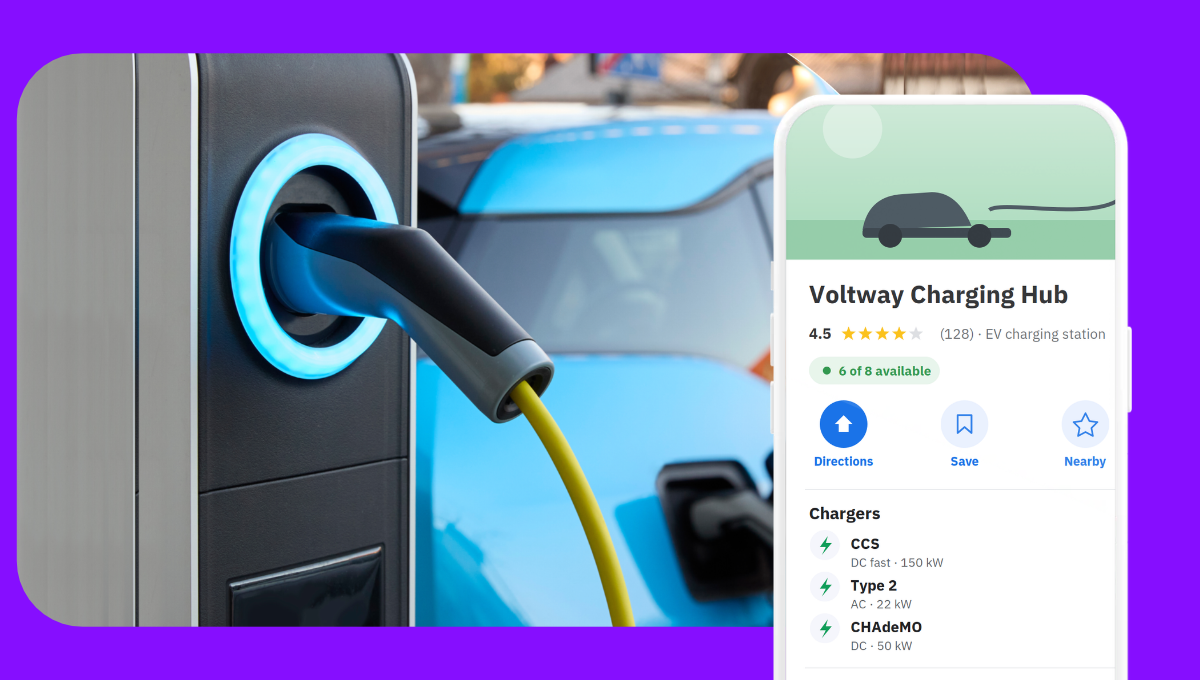
For Electric Vehicle (EV) charging networks, phygital marketing focuses on making the charging process as seamless as possible, from finding a nearby station to completing the charging process.
- Optimize Location Data: Ensure your charging stations are easily found through both online maps and EV-specific apps. Accurate location data is crucial for visibility and accessibility.
- Offer Real-Time Availability: Use digital tools to provide real-time information on charging station availability and allow customers to book slots in advance.
- Enhance Customer Support with Digital Channels: Provide in-app support for issues related to charging stations, and enable digital payment options for a smooth transaction experience.
Phygital Marketing in Finance and Insurance
In the finance and insurance sectors, phygital marketing enables personalized, on-demand services while maintaining trust and security. Customers seek the convenience of managing their finances online but still value in-person consultations for complex services.
- Offer Online Account Management: Ensure that clients can easily access their accounts, track financial products, and complete transactions online through a secure platform.
- Provide Virtual Consultations and Advice: Use video calls or chatbots for consultations to assist customers with personalized advice or policy inquiries.
- Leverage Local SEO for Branches and Services: While digital services are important, maintaining optimized local listings for branches and insurance offices enhances visibility when customers search for nearby services.
Conclusion
You see, phygital marketing isn’t a one-size-fits-all strategy—each sector must tailor its approach to fit its specific customer needs. However, some universal principles, such as making the customer journey as seamless as possible and optimizing for local search, apply across the board.
By leveraging the unique strengths of both physical and digital worlds, businesses across these sectors are not just meeting but exceeding customer expectations, blending the best of both worlds for a more cohesive and engaging experience.
But here’s the real question: How well-positioned are you digitally to meet these evolving expectations? Let’s figure this out together!



1 800 marques nous font confiance pour rester visibles
— pas seulement apparaître une ou deux fois dans la recherche locale.